The television world has lost one of its most pioneering figures. Estelle Harris, widely celebrated for her unforgettable role in the trailblazing Australian series Number 96, has passed away at the remarkable age of 105. Her death marks the end of an era in Australian TV, closing the chapter on a career that helped redefine drama, diversity, and representation in prime-time television.
Though often under-recognized in international retrospectives, Harris’s contribution to Number 96 went far beyond performance—it was cultural intervention. At a time when Australian television played it safe, Number 96 shocked, provoked, and captivated audiences. Harris stood at the heart of that revolution, portraying the sharp-tongued yet deeply empathetic Dorrie Evans with a blend of comedy, warmth, and social awareness that still resonates decades later.
The Rise of a Television Trailblazer
Estelle Harris wasn’t just a cast member—she was a linchpin in Number 96's success. When the series debuted on Channel Ten in 1972, it broke molds. It tackled taboo subjects like homosexuality, abortion, interracial relationships, and drug use—topics rarely seen on screen in Australia at the time. Harris’s character, Dorrie, a widowed, gossipy, and endlessly loyal neighbor, became an instant audience favorite, humanizing the show’s more sensational storylines.
Her comedic timing was impeccable, but it was her emotional authenticity that elevated the role. Dorrie wasn’t a caricature. She was a working-class woman navigating loneliness, financial hardship, and the shifting social landscape of 1970s Australia—all while maintaining her signature wit and resilience.
“She made you laugh, then she’d break your heart in the next scene,” said longtime friend and co-star Wendy Stapleton in a recent interview. “That was Estelle’s magic—she made the ordinary feel heroic.”
Harris’s casting was itself a quiet act of defiance. In her mid-50s when she joined the series, she was well beyond the typical “leading lady” age bracket. Yet she commanded screen time with a presence that rivaled younger stars. Her visibility helped pave the way for more nuanced roles for older women in Australian television.
Why Number 96 Was Revolutionary
To understand Harris’s impact, one must appreciate the context of Number 96. The show wasn’t just popular—it was seismic. It captured 42% of Australia’s television audience at its peak, a number unheard of for a local production. But its ratings weren’t the only measure of its influence.
Number 96 was the first Australian series to feature a gay main character (Don Finlayson, played by Joe Hasham), include full frontal nudity, and regularly address political and social issues. It was controversial, yes—but also deeply empathetic. The characters lived in a Sydney apartment block, and their lives intertwined in ways that mirrored the country’s growing urbanization and cultural complexity.
Harris’s Dorrie was the emotional anchor. While other characters explored more sensational arcs—murders, blackmail, secret identities—Dorrie grounded the series in everyday reality. Her concerns were relatable: bills, loneliness, meddling in neighbors’ lives, and longing for connection. Yet within that simplicity, Harris brought depth and dignity.
A Career Beyond the Apartment Block
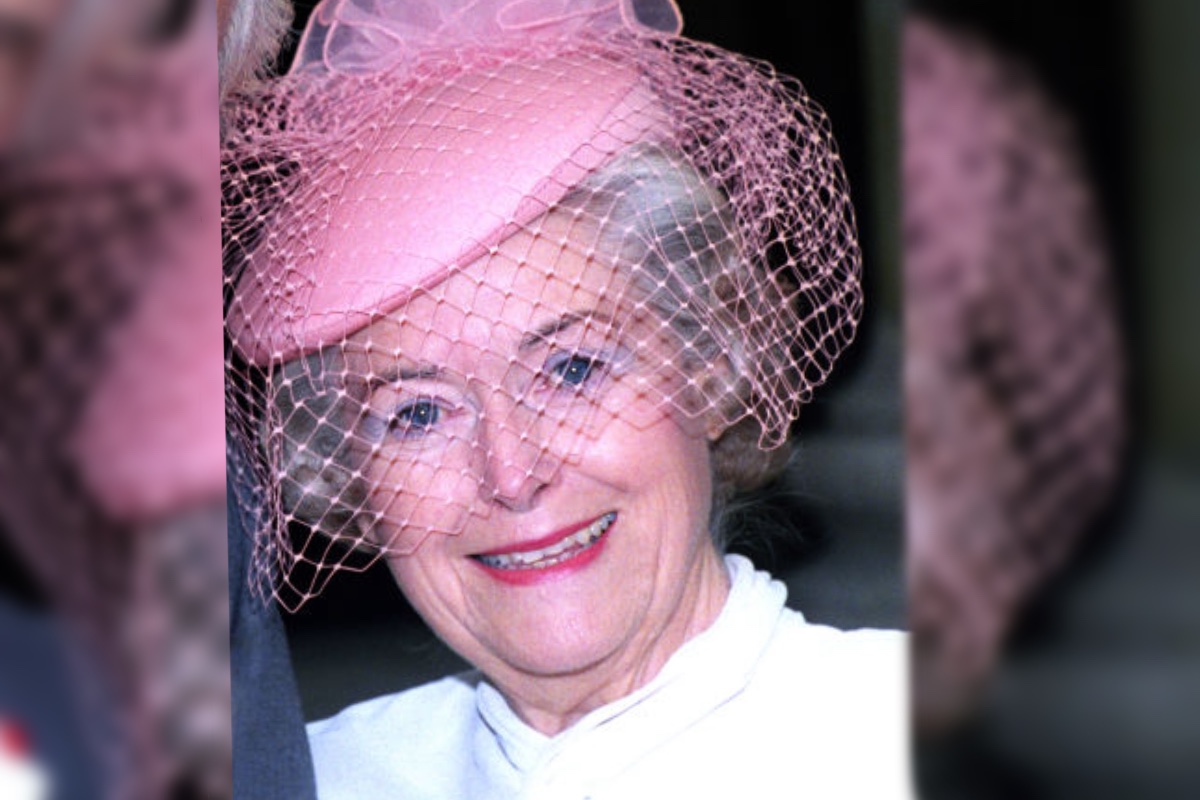
Though Number 96 defined her public legacy, Harris’s career spanned over four decades. Born in Melbourne in 1919, she began in radio during WWII, voicing characters for wartime serials. Her voice—warm, slightly raspy, instantly recognizable—led to early TV work in variety and drama programs.
She appeared in Homicide, Division 4, and The Sullivans before landing the role that would immortalize her. Even after Number 96 ended in 1977, Harris remained active. She toured in stage adaptations of the series, appeared in documentaries, and made guest spots on shows like Neighbours and A Country Practice, always bringing her trademark blend of humor and heart.
Notably, Harris never sought the spotlight off-screen. She gave few interviews, avoided celebrity circuits, and lived quietly in a suburban Melbourne home. “Fame wasn’t the goal,” she once said in a rare 1998 interview with TV Week. “I just wanted to tell stories that mattered to people like me.”
The Lasting Impact on Australian Television
Harris’s legacy isn’t just personal—it’s structural. Her success helped shift casting norms in Australian TV. Before Number 96, older women were often sidelined or reduced to comic relief. Harris proved that such characters could be central, beloved, and complex.
Today’s shows like Offspring, The Doctor Blake Mysteries, and Back of the Net feature older female leads not in spite of their age, but because of the life experience it brings. That shift didn’t happen overnight—but Harris was among the first to show the way.
Moreover, Number 96 itself has experienced a resurgence in recent years, thanks to streaming platforms and retrospectives from the National Film and Sound Archive. New generations are discovering the show—and with it, Harris’s performance. Her scenes are frequently shared online, with clips of Dorrie’s monologues on loneliness and resilience gaining thousands of views.
“She taught us that compassion doesn’t need grand gestures,” wrote film historian Dr. Liana Smallwood in a 2022 essay. “Dorrie’s greatness was in her small kindnesses—lending money, bringing soup, listening. Estelle made those moments feel monumental.”
Common Misconceptions and Forgotten Truths
Despite her fame, several misconceptions cloud Harris’s legacy:
- Myth: Dorrie was a comic relief character with no depth.
- Reality: Writers used Dorrie to explore serious issues—from the death of her war-hero husband to her struggles with depression. Harris delivered these moments with quiet power.
- Myth: Harris retired immediately after Number 96.
- Reality: She continued acting into her 80s, including a moving performance in the 1995 telefilm The Last Tenant, a fictionalized reunion of Number 96 characters.
- Myth: The show’s controversy overshadowed the acting.
- Reality: Harris and her co-stars received multiple Logie nominations. In 1974, she won Best Supporting Actress—a rare honor for a soap opera performer at the time.
Another overlooked fact: Harris was instrumental in advocating for better pay and working conditions for supporting actors. She quietly mentored younger cast members and pushed producers to extend contracts and improve set safety—especially during the show’s infamous explosion and flood scenes.
Tributes and Cultural Recognition
Since news of her passing broke, tributes have flooded in from across the entertainment world.
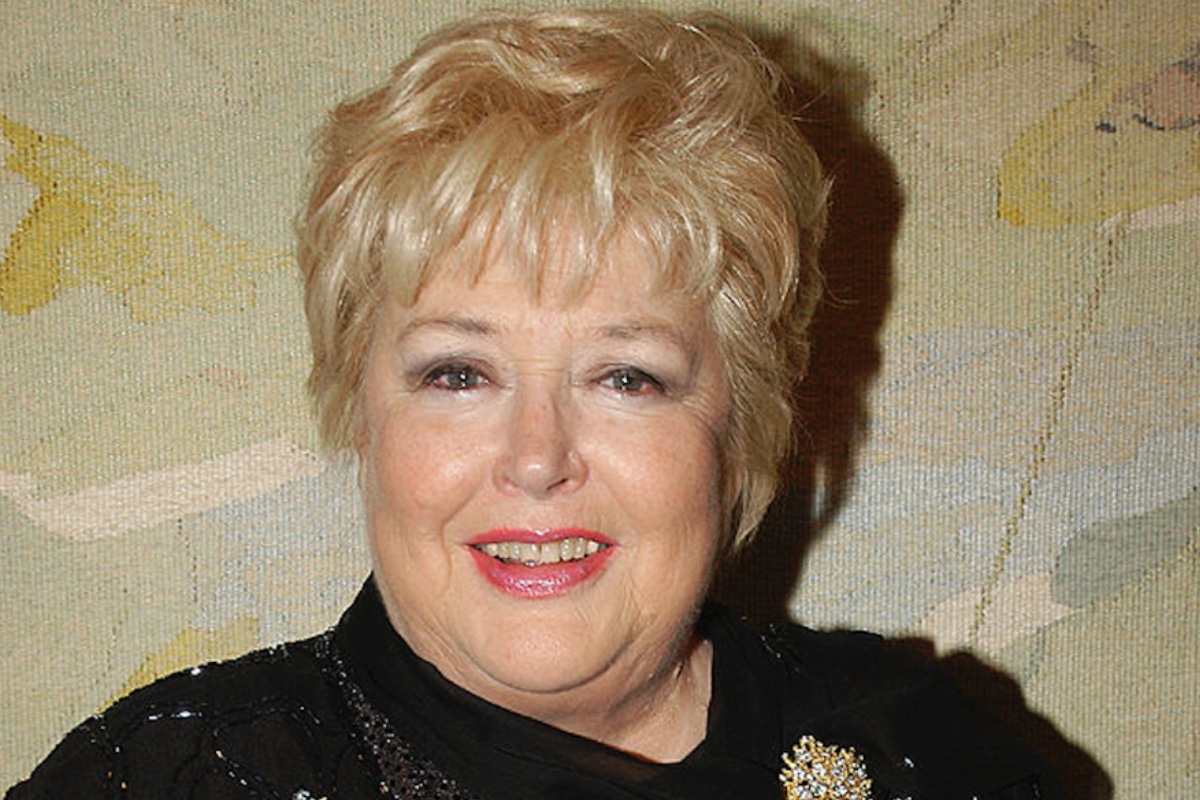
- Network Ten released a statement calling her “a trailblazer who brought heart, humor, and honesty to Australian screens.”
- Screen Producers Australia honored her with a minute of silence at their annual gala.
- The Melbourne City Council announced plans to name a public garden in her honor, near her longtime home in Hawthorn.
Fans have lit candles outside the Number 96 set replica at Sydney’s TV World Museum. Many have shared personal stories—how Dorrie reminded them of their grandmother, how Harris’s performance helped them through grief, or how seeing an older woman so boldly on TV changed their perception of aging.
A Final Bow
with Dignity
Estelle Harris lived long enough to see her work appreciated anew. In her final years, she rarely gave interviews, but in a 2021 message to fans, she reflected: “I never thought a little show about people in flats would still be remembered. But if Dorrie made someone feel seen—even for a moment—then it was worth every line, every tear, every laugh.”
She leaves behind no immediate family, having outlived her husband and only daughter. But her legacy lives on in every Australian actor who dares to be real, in every script that dares to tackle tough truths, and in every viewer who found comfort in a character who felt like home.
For those looking to honor her memory, streaming Number 96 on NFSA’s online archive is a fitting tribute. Watch her work. Notice the subtlety—the way she pauses before delivering a punchline, the flicker of sadness in her eyes when talking about her late husband, the warmth in her laugh. These weren’t performances. They were glimpses into a life lived with empathy.
Remembering Estelle Harris: A Closing Note
Don’t just remember Estelle Harris as “the woman from Number 96.” Remember her as a quiet revolutionary—one who used humor and heart to challenge norms, comfort audiences, and expand what Australian television could be. Watch her scenes. Share her story. Support archives preserving classic TV. In doing so, you keep her legacy alive—not as a relic, but as a living influence.
FAQ
Who was the actress from Number 96 who passed away at 105? Estelle Harris, known for her role as Dorrie Evans, passed away at the age of 105.
What was Estelle Harris’s most famous role? She was best known for playing Dorrie Evans, a beloved and humorous neighbor in the Australian TV series Number 96.
Was Number 96 a popular show in Australia? Yes, it was one of the most popular and controversial Australian series of the 1970s, known for its bold storytelling and social themes.
Did Estelle Harris win any awards for her acting? Yes, she won the 1974 Logie Award for Best Supporting Actress for her role in Number 96.
Is Number 96 available to watch today? Yes, selected episodes are available through the National Film and Sound Archive of Australia’s online platform.
What made Dorrie Evans such a memorable character? Dorrie combined humor, warmth, and emotional depth, representing everyday struggles with dignity and resilience.
How did Estelle Harris influence Australian television? She helped elevate the role of older women on screen and contributed to more inclusive, socially aware storytelling in mainstream TV.
FAQ
What should you look for in Beloved Australian Actress from Number 96 Passes at 105? Focus on relevance, practical value, and how well the solution matches real user intent.
Is Beloved Australian Actress from Number 96 Passes at 105 suitable for beginners? That depends on the workflow, but a clear step-by-step approach usually makes it easier to start.
How do you compare options around Beloved Australian Actress from Number 96 Passes at 105? Compare features, trust signals, limitations, pricing, and ease of implementation.
What mistakes should you avoid? Avoid generic choices, weak validation, and decisions based only on marketing claims.
What is the next best step? Shortlist the most relevant options, validate them quickly, and refine from real-world results.