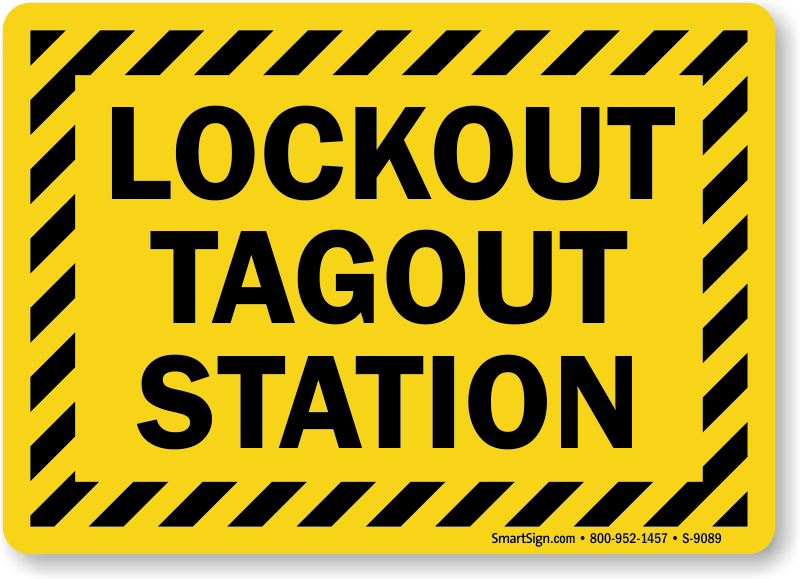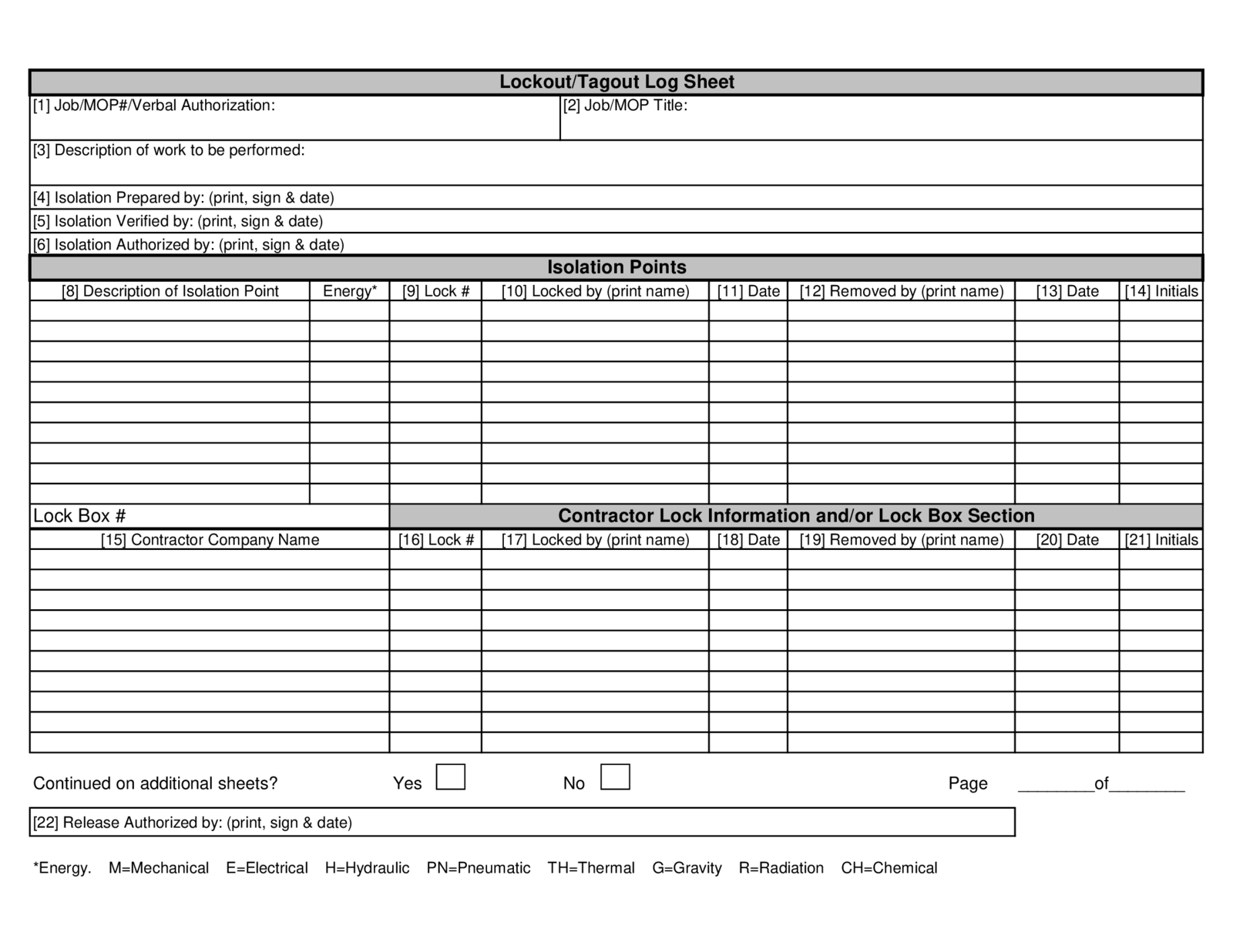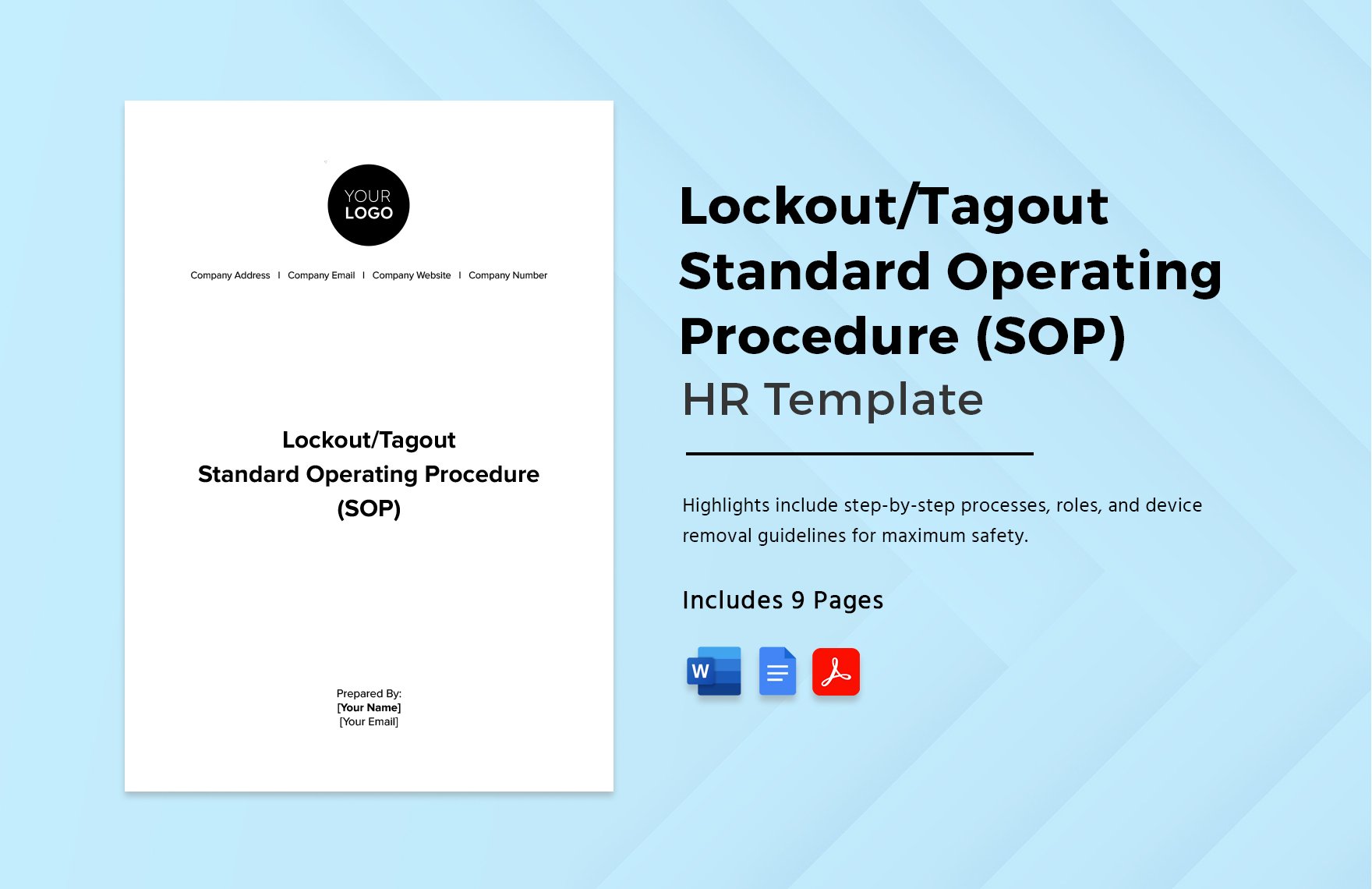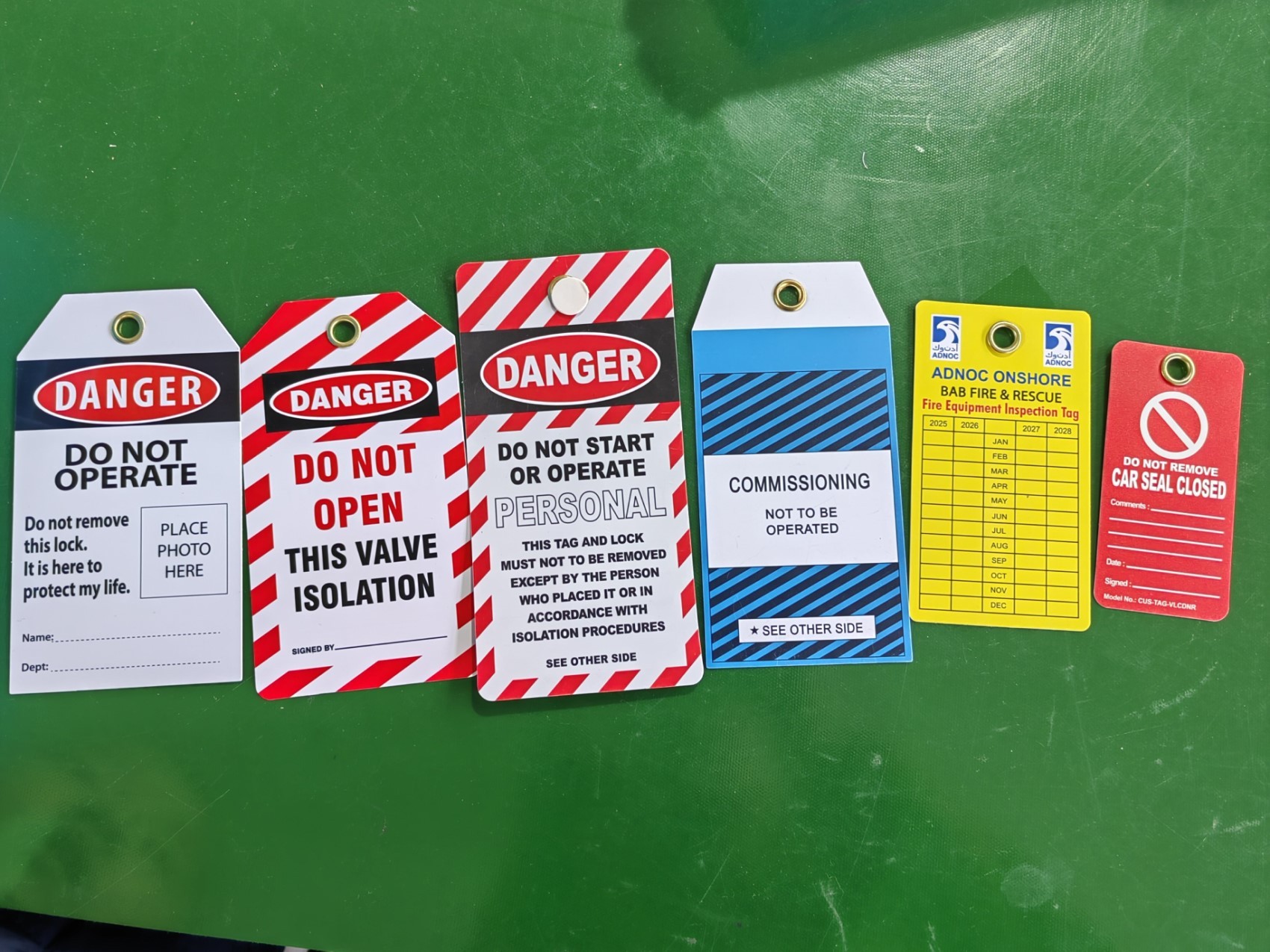
Every year, hundreds of workers are injured—or worse—during equipment servicing because hazardous energy wasn’t properly controlled. The root cause? Inconsistent or missing lockout tagout (LOTO) procedures. A well-structured lockout tagout plan template isn’t just paperwork—it’s a lifeline. It turns safety policy into action, ensuring machines stay de-energized during maintenance and only authorized personnel can restart them.
This guide walks through a practical, customizable LOTO plan template that aligns with OSHA 1910.147 and real-world shop floor demands. You’ll learn how to implement it, avoid common compliance traps, and scale it across facilities—without drowning in bureaucracy.
Why a Lockout Tagout Plan Template Is Non-Negotiable
Ignoring LOTO isn’t an option. OSHA estimates that proper lockout/tagout procedures prevent 120 fatalities and 50,000 injuries annually in the U.S. alone. Yet, LOTO violations consistently rank among the top 10 most cited standards—proof that many companies still treat it as a box-checking exercise.
A solid LOTO plan template does more than satisfy auditors. It:
- Clarifies roles and responsibilities
- Standardizes shutdown, isolation, and verification steps
- Reduces human error during high-risk maintenance
- Speeds up training for new technicians
- Provides legal protection during incident investigations
Without a template, procedures become inconsistent. One technician might lock out a conveyor motor correctly; another might only flip the emergency stop—mistaking it for isolation. That gap is where accidents happen.
Core Components of a LOTO Plan Template
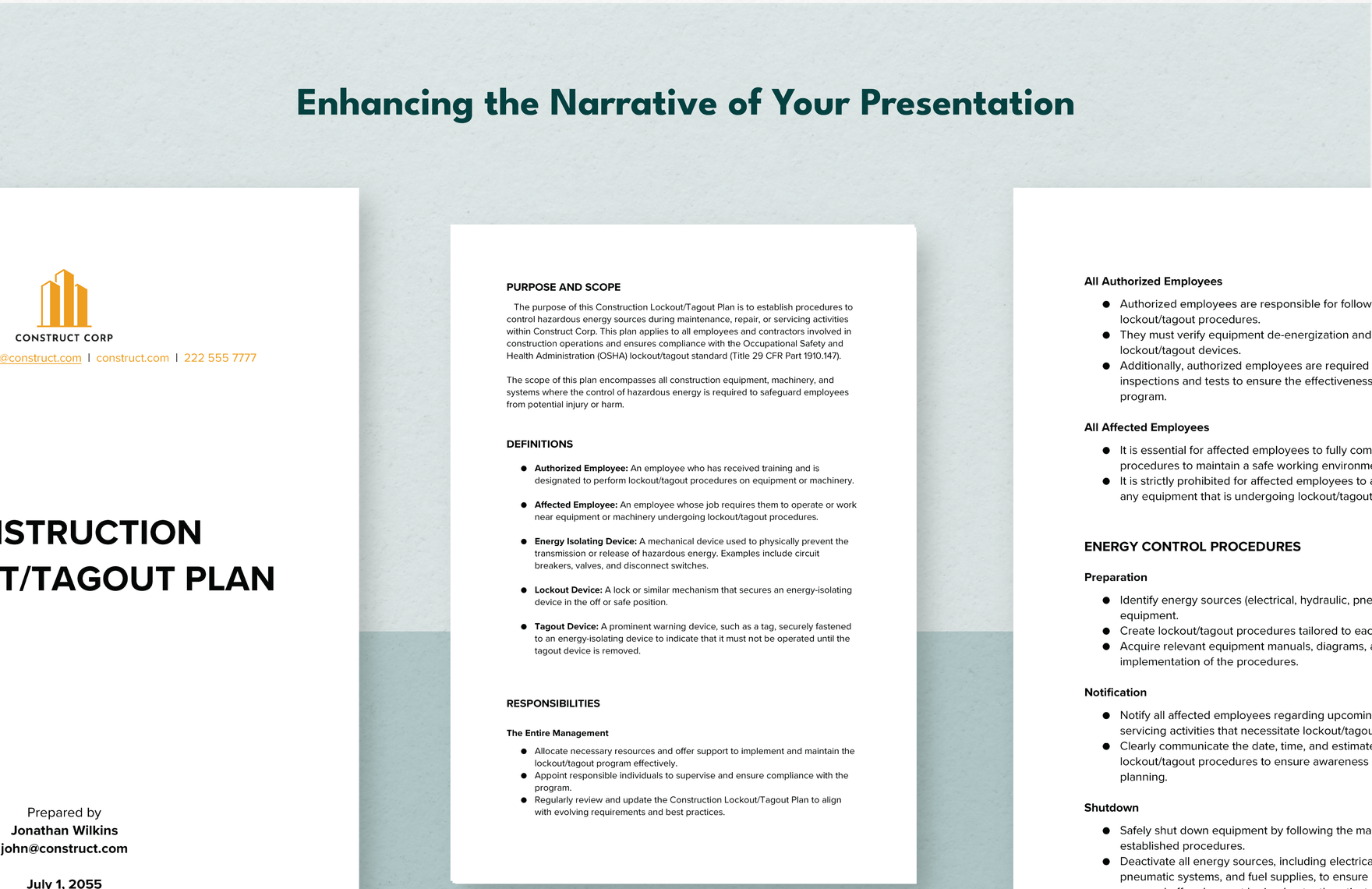
An effective lockout tagout plan template must be specific, enforceable, and easy to follow. Here are the essential sections you must include:
1. Scope and Application Define which machines, equipment, and energy sources the plan covers. List examples: hydraulic presses, conveyor systems, industrial ovens, etc. Also, state where it doesn’t apply—e.g., corded portable tools that are unplugged and under operator control.
Example: "This plan applies to all fixed machinery in the fabrication unit, including CNC routers and overhead cranes. It excludes battery-powered hand drills used outside production zones."
2. Energy Source Inventory List every type of hazardous energy for each machine: electrical, pneumatic, hydraulic, thermal, chemical, or gravitational. Include voltage levels, pressure ratings, or stored spring tension.
| Equipment | Energy Types Present | Isolation Points |
|---|---|---|
| Hydraulic Press | Hydraulic, electrical, mechanical | Main valve, disconnect switch |
| Packaging Line | Electrical, pneumatic | Circuit breaker, air shutoff |
This table becomes a critical reference during training and audits.
3. Roles and Responsibilities Clarify who does what:
- Authorized Employee: Performs LOTO, verifies isolation
- Affected Employee: Operates or uses the equipment but doesn’t service it
- Supervisor: Ensures compliance, audits procedures
Example mistake: Allowing “affected” employees to apply locks. Only authorized personnel should lock out equipment.
4. Step-by-Step LOTO Procedure
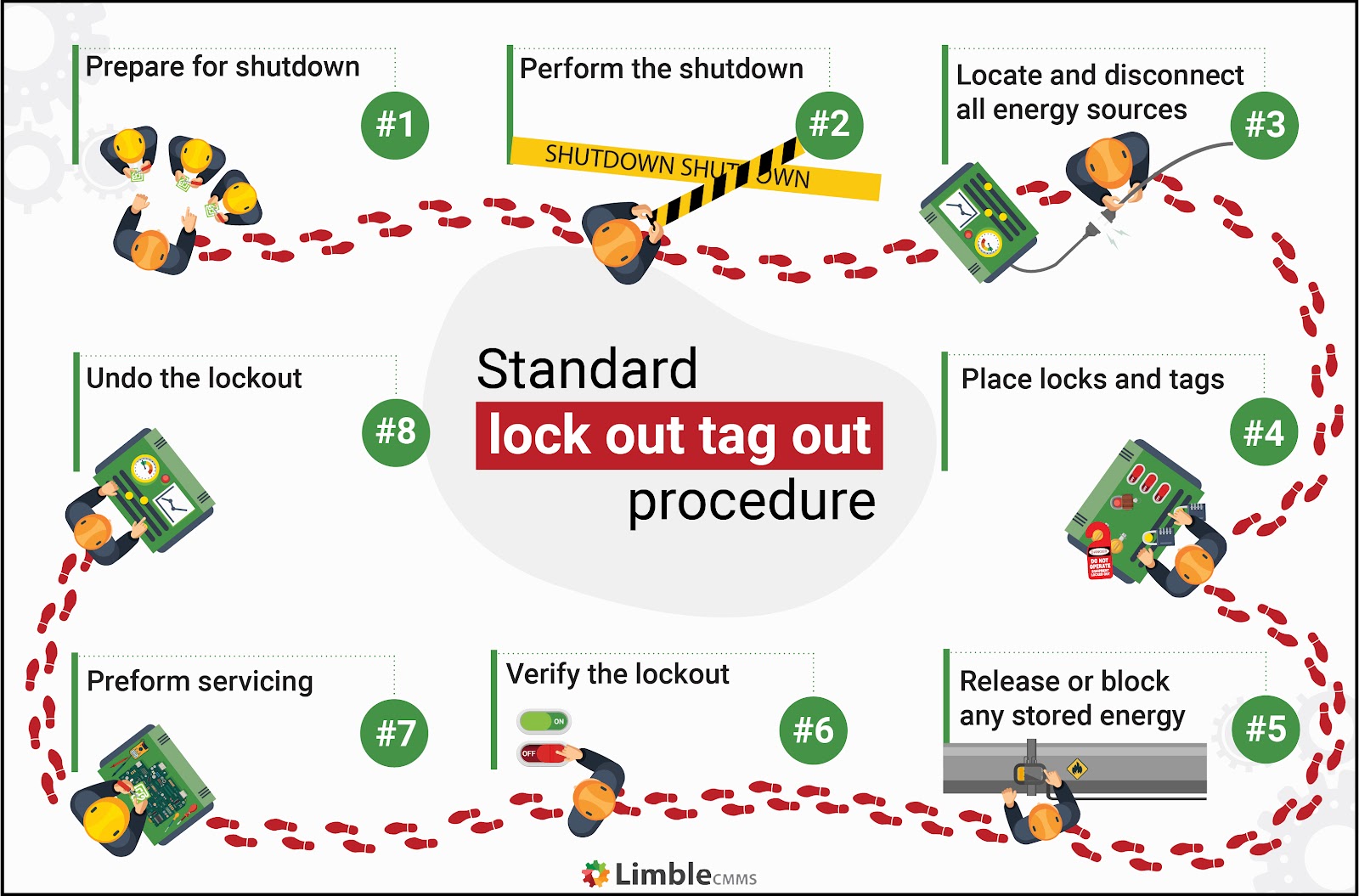
This is the heart of the template. Use a standardized format for each machine or process:
- Notify all affected employees
- Shut down equipment using normal stopping controls
- Isolate all energy sources (disconnect, close valves, block)
- Apply lockout device(s) with personal lock and tag
- Release stored energy (vent lines, bleed capacitors, lower suspended loads)
- Verify zero energy state (try to start machine, test for voltage)
Pro Tip: Always test verification methods. A technician once assumed a motor was de-energized because the disconnect was open—until a multimeter revealed backfeed from a shared circuit.
5. Group and Shift Change Procedures Address complex scenarios:
- Group LOTO: Use a group lockbox. Each technician applies their lock to the box, which holds the single master lock on the energy isolator.
- Shift Transfers: Outgoing technicians must brief incoming staff on active LOTOs. The outgoing worker removes their lock only after the incoming worker has applied theirs.
Failure here causes 22% of LOTO-related incidents, according to NIOSH.
6. Periodic Inspection and Audit Mandate a documented annual review of each LOTO procedure by a supervisor and an authorized employee. The audit must confirm the procedure is followed correctly and updated when equipment changes.
Include a checklist:
- [ ] Locks are durable and standardized
- [ ] Tags include name, date, reason, and contact
- [ ] Stored energy control steps are in place
- [ ] Employees can demonstrate proper procedure
7. Training and Retraining Outline initial and refresher training (required annually). Include:
- How to recognize hazardous energy
- How to apply and remove locks/tags
- The difference between authorized and affected employees
- Consequences of bypassing LOTO
Document attendance and practical assessments.
Common Mistakes That Break LOTO Compliance
Even companies with a template fail because of overlooked errors. Watch for these:
Using Tags Without Locks Tags are warnings, not physical restraints. OSHA requires locks wherever possible. A tag-only system is only acceptable if the lock cannot be used—and you must justify it in writing.
Lock Sharing or “Grandfather” Keys Each authorized employee must have their own lock and key. Master keys undermine accountability. If a lock must be removed (e.g., employee leaves mid-job), follow the documented removal procedure: verify the equipment is safe, notify the lock owner, and document the removal.
Skipping Stored Energy Control Locking the disconnect isn’t enough. A dropped forklift mast or unbled hydraulic line can kill. Always include steps to dissipate, block, or restrain residual energy.
Incomplete Machine Coverage
Many plans cover large machines but ignore smaller equipment like grinders or saws. If it has hazardous energy during servicing, it needs a LOTO procedure.
Customizing the Template for Your Facility
A one-size-fits-all template fails. Adapt it to your operations.
For Manufacturing Plants - Focus on production lines with multiple energy sources - Use machine-specific LOTO checklists at each station - Integrate with CMMS (Computerized Maintenance Management Systems) for tracking
Use Case: An automotive parts plant reduced maintenance delays by 30% after embedding QR codes on machines. Technicians scan the code to pull up the LOTO procedure on a tablet.
For Facilities with Mobile Equipment - Include procedures for forklifts, scissor lifts, or mobile compressors - Define “isolation” for fuel lines, batteries, and hydraulic systems
Example Step: "Remove ignition key, disconnect battery ground cable, chock wheels, and place tag on steering wheel."
For Multi-Employer Workplaces Contractors must follow your LOTO plan. Include a section for external workers:
- Verify their LOTO training
- Provide site-specific orientation
- Require lock application using your lockbox system
Failure here led to a $180,000 OSHA fine at a Texas refinery where a contractor was injured during valve maintenance.
5 Tools That Simplify LOTO Plan Implementation
While a template starts on paper, digital tools boost compliance and reduce errors.
| Tool | Key Features | Best For |
|---|---|---|
| Fiix | Integrates LOTO with maintenance workflows, mobile access | Facilities using CMMS |
| Lockout Tagout Pro | Step-by-step mobile LOTO guides with photo logs | Field technicians |
| Sphera EHS | Enterprise-scale LOTO, audit trails, reporting | Large manufacturers |
| Capptions | Drag-and-drop LOTO form builder, offline access | SMBs needing customization |
| EHS Insight | LOTO procedures, training tracking, inspections | Companies needing full EHS suite |
These platforms let you assign digital tags, audit trails, and real-time verification—cutting paper fatigue and improving accountability.
How to Roll Out Your LOTO Plan Successfully
Adoption matters more than perfection. Follow this workflow:
- Inventory Equipment – Walk the floor, list every machine needing LOTO
- Map Energy Sources – Work with maintenance leads to identify all isolation points
- Draft Procedures – Use the template to build machine-specific steps
- Train Employees – Hands-on sessions with live demos
- Pilot Test – Run the procedure on 2–3 high-risk machines, observe, refine
- Audit and Improve – Schedule quarterly walkthroughs
Reality Check: A food processing plant in Ohio reduced LOTO deviations from 17 to 2 in six months by pairing audits with peer recognition—technicians who caught risks got safety bonuses.
Maintain Compliance Without Overcomplicating
A lockout tagout plan template should protect people, not bury you in paperwork. The best templates are clear, machine-specific, and easy to update. They’re not static documents—they evolve with your equipment and workforce.
Start small. Pick your highest-risk machine. Build its LOTO procedure using this template. Train the team. Audit it. Then scale.
Safety isn’t about having the fanciest system. It’s about having one that works—every time, every shift, every technician.
Now go lock it out.
FAQ
What should you look for in Lockout Tagout Plan Template: Build a Compliant Safety System? Focus on relevance, practical value, and how well the solution matches real user intent.
Is Lockout Tagout Plan Template: Build a Compliant Safety System suitable for beginners? That depends on the workflow, but a clear step-by-step approach usually makes it easier to start.
How do you compare options around Lockout Tagout Plan Template: Build a Compliant Safety System? Compare features, trust signals, limitations, pricing, and ease of implementation.
What mistakes should you avoid? Avoid generic choices, weak validation, and decisions based only on marketing claims.
What is the next best step? Shortlist the most relevant options, validate them quickly, and refine from real-world results.