Every year, dozens of workers suffer serious injuries—or worse—because machinery was accidentally energized during maintenance. These tragedies are preventable. At the heart of industrial safety lies a simple but critical protocol: the lockout and tagout (LOTO) procedure. When properly executed, LOTO ensures that dangerous machines are de-energized and cannot be restarted until maintenance or servicing is complete. This isn’t just a checklist—it’s a life-saving system.
Yet, despite its importance, LOTO is often misunderstood, inconsistently applied, or bypassed entirely under time pressure. The result? Fatalities, amputations, and OSHA violations. This guide breaks down exactly how to implement a compliant, effective lockout and tagout procedure—step by step.
What Is Lockout and Tagout?
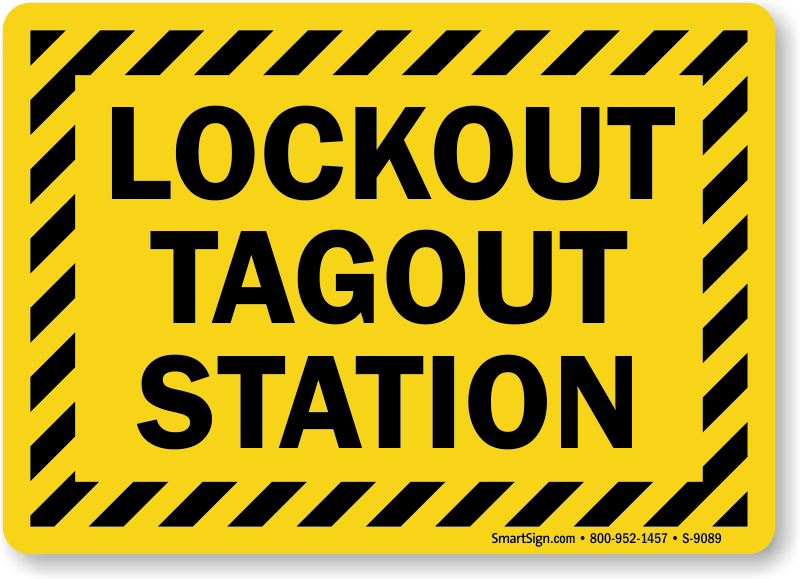
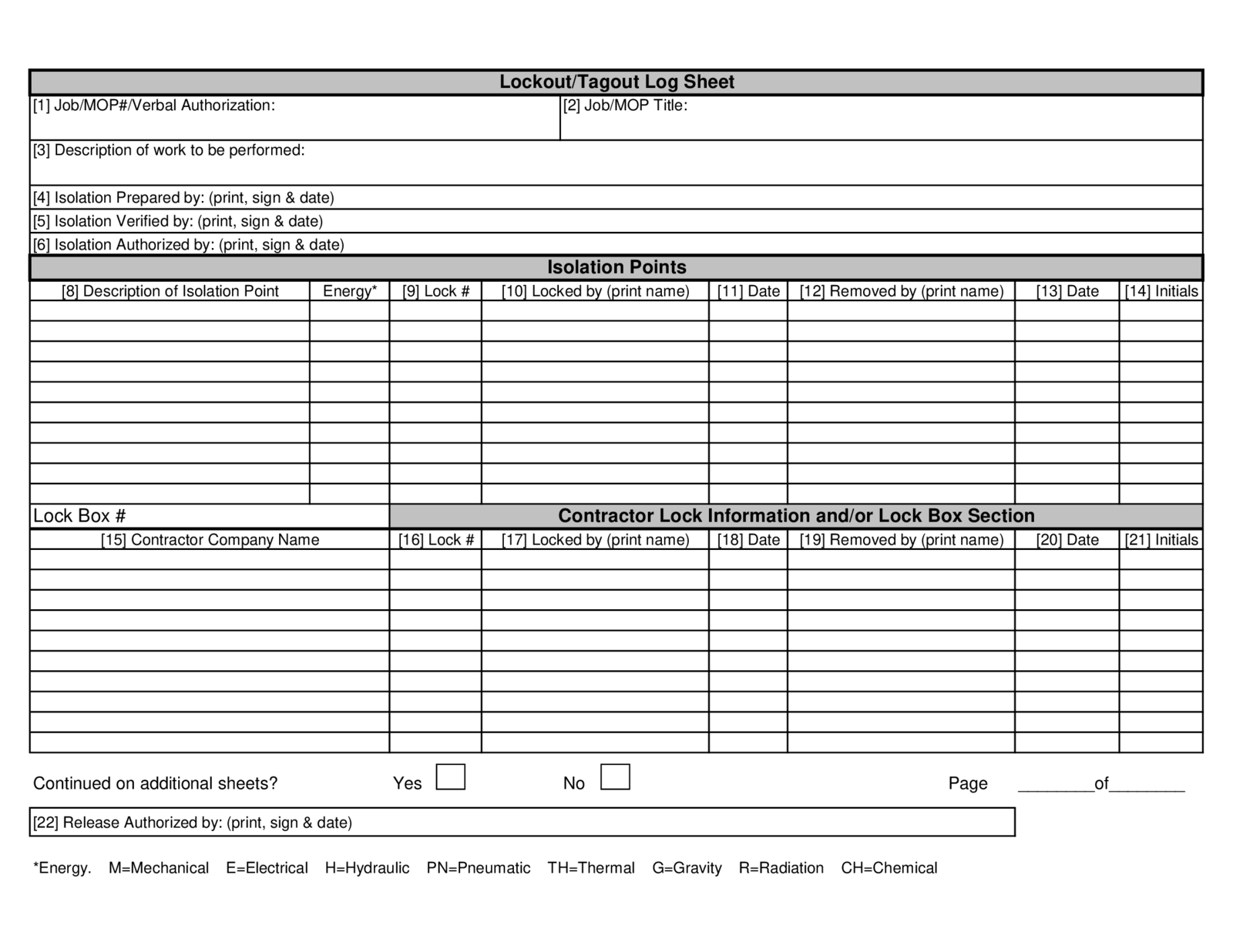
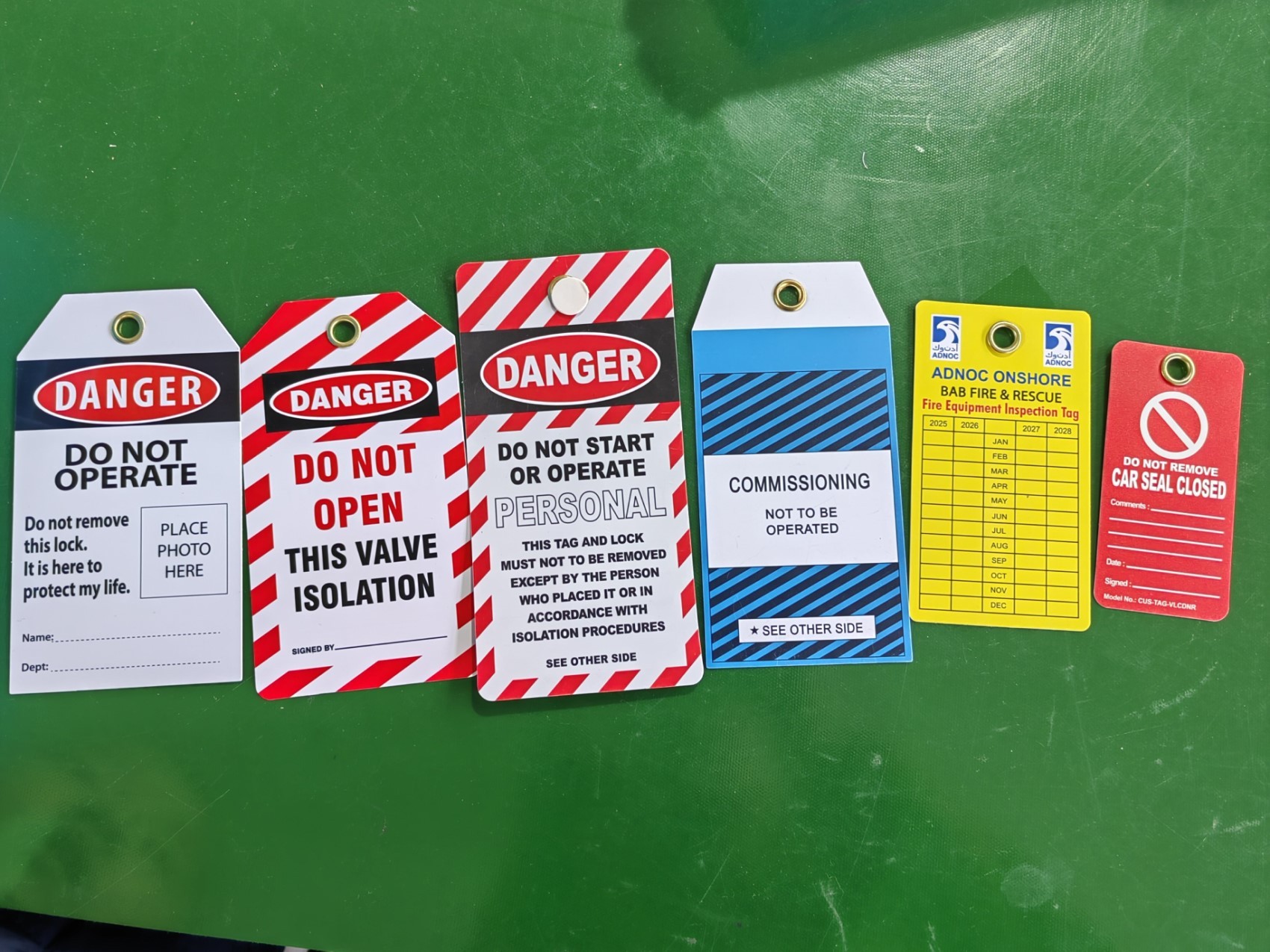
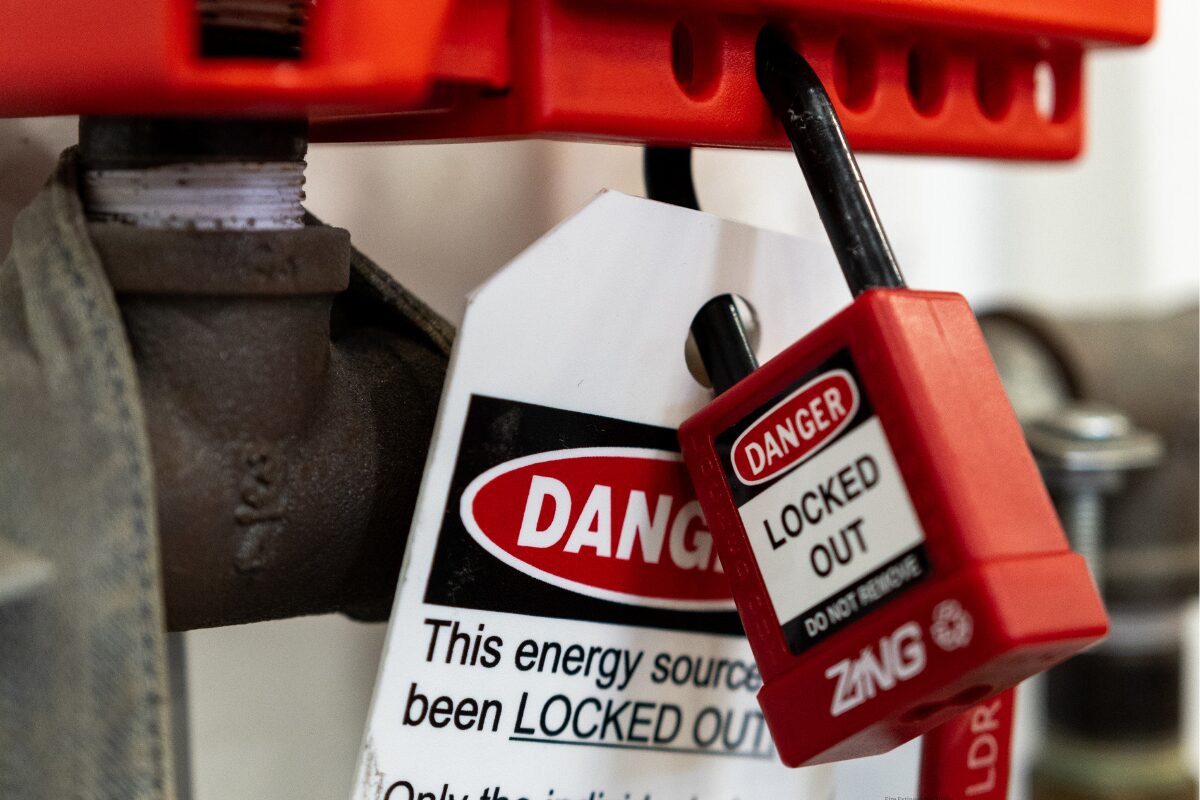
Lockout and tagout refers to a safety process that isolates energy sources from machines or equipment to prevent unexpected startup. "Lockout" means placing a physical lock on an energy-isolating device—like a circuit breaker or valve—so only the authorized person can remove it. "Tagout" involves attaching a warning tag that identifies who locked the device, when, and why.
While lockout uses mechanical restraints, tagout relies on visual warnings. OSHA permits tagout alone only when a lock cannot be used, but lockout is always preferred because it provides a higher level of control.
Real-World Example: During a routine cleaning of a conveyor belt system, a technician locks the main power disconnect with their personal padlock and tags it with their name and the reason. Without that lock, another worker could flip the switch, restarting the system mid-cleaning.
LOTO applies to all forms of energy: electrical, hydraulic, pneumatic, mechanical, chemical, and thermal. Any equipment that stores or releases energy unexpectedly poses a risk.
Why Lockout and Tagout Procedures Matter
The stakes are high. According to OSHA, nearly 10% of all manufacturing fatalities are linked to uncontrolled energy. These incidents often occur when:
- A machine is cleaned, repaired, or adjusted without being properly shut down
- Someone assumes the equipment is off when it isn’t
- A coworker unknowingly re-energizes a system
Beyond human cost, companies face steep penalties. OSHA fines for LOTO violations average over $15,000 per incident. Repeat offenders face even steeper penalties and reputational damage.
More importantly, a well-executed LOTO program signals a culture of safety. Workers are more confident, errors drop, and operational downtime decreases because maintenance is done correctly the first time.
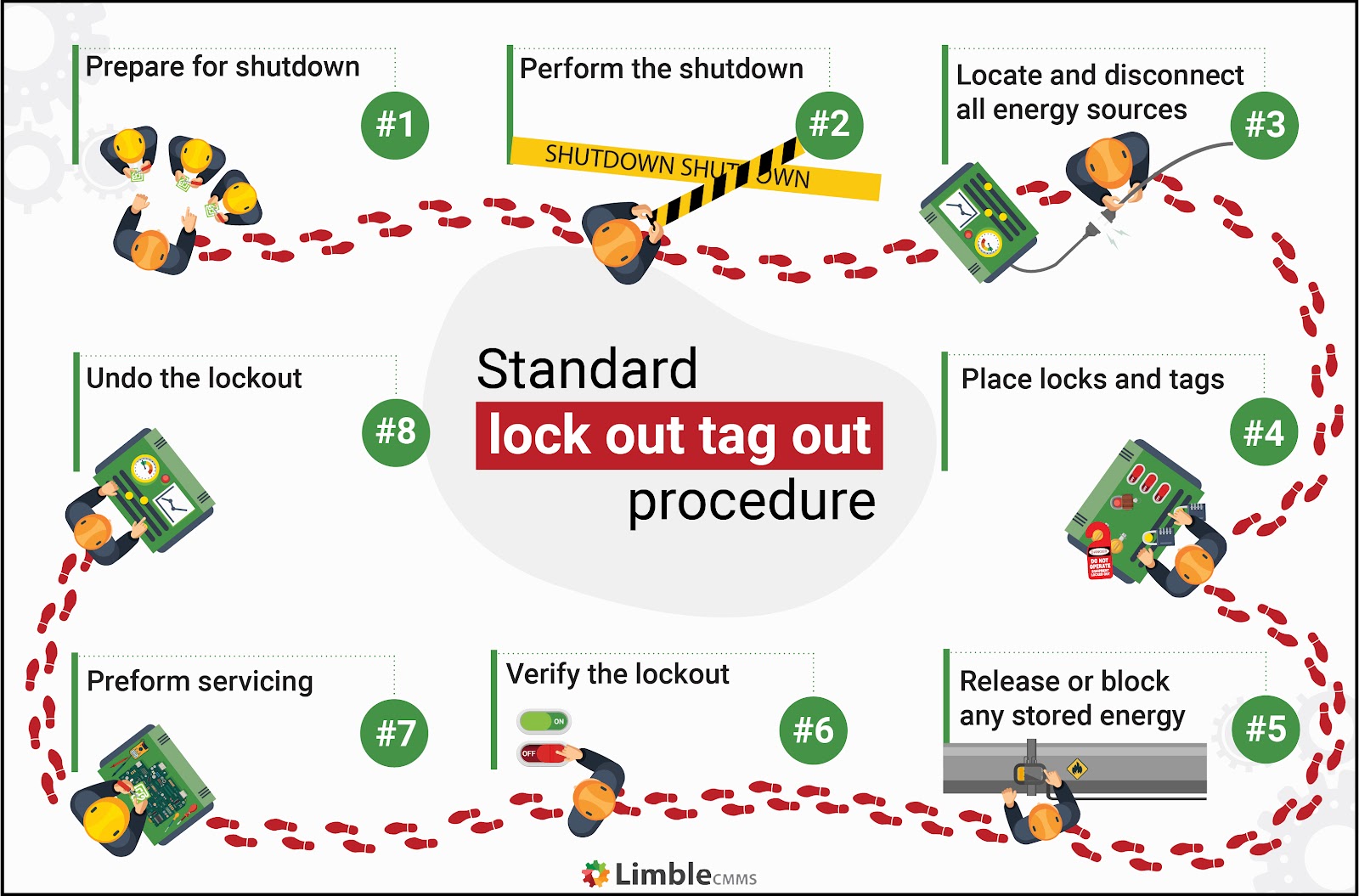
The 6-Step Lockout and Tagout Procedure
A successful LOTO process follows a strict sequence. Skipping steps—even one—can compromise safety. Here’s the standard protocol:

#### 1. Prepare for Shutdown Identify all energy sources powering the equipment. Review the machine-specific LOTO procedure. Gather necessary locks, tags, and tools. Notify affected employees that maintenance is about to begin.
Common Mistake: Assuming you know the energy sources without checking the equipment manual or energy control plan.
#### 2. Shut Down the Equipment Use normal stopping procedures—press the emergency stop, close valves, etc. Ensure the machine has fully stopped before proceeding.
#### 3. Isolate Energy Sources Physically disconnect or block all energy sources. This might include: - Turning off circuit breakers - Closing line valves - Blocking moving parts - Draining residual pressure
Practical Tip: Double-check isolation points. For example, a hydraulic system may retain pressure even after the pump is off. Bleed lines carefully before locking.
#### 4. Apply Lockout/Tagout Devices Each authorized employee applies their own lock and tag. Use lockout hasps if multiple people are working on the same machine. Never share keys or bypass locks.
Key Rule: Only the person who applied the lock can remove it. Exceptions require strict procedures, including verification that the employee is not at risk.
#### 5. Release Stored Energy Eliminate any residual energy that could cause movement: - Ground capacitors - Releive compressed air - Allow springs to decompress - Cool hot surfaces
Real-World Hazard: A press that appears off can still store mechanical energy in its ram. Failing to release that energy can lead to crushing injuries.
#### 6. Verify Isolation Try to start the machine using normal controls. If it operates or moves, the LOTO failed. Re-evaluate isolation steps. If nothing happens, the machine is safely isolated.
Who Is Responsible for LOTO?
Two roles are clearly defined in OSHA standards:
- Authorized Employees: Trained workers who perform maintenance and apply LOTO devices. They must understand energy sources, isolation methods, and verification procedures.
- Affected Employees: Operators or others who use or work near the equipment but don’t perform servicing. They must recognize LOTO tags and know not to bypass them.
Training is not a one-time event. OSHA requires retraining: - Annually - After procedure changes - If performance suggests a lack of understanding
Limitation: Many companies train employees but fail to validate competence. Watching someone perform a full LOTO cycle is more effective than a written test alone.
Common LOTO Mistakes and How to Avoid Them
Even experienced teams make errors. These are the most frequent—and dangerous—mistakes:
| Mistake | Risk | Solution |
|---|---|---|
| Using group locks without individual devices | One person can remove all locks | Each worker uses their own lock |
| Skipping stored energy release | Unexpected startup or release | Verify all energy is dissipated |
| Not updating LOTO procedures after machine changes | Incomplete isolation | Review and revise procedures quarterly |
| Relying only on tagout where locks are feasible | No physical barrier | Use locks whenever possible |
| Poor tag visibility or missing info | Miscommunication | Tags must include name, date, purpose |
Workflow Tip: Conduct a “buddy check.” Before starting work, have another authorized employee verify your LOTO setup. It’s a simple redundancy that catches 80% of errors.
Machine-Specific LOTO Procedures
One-size-fits-all doesn’t work. A CNC machine, boiler, and packaging line each have unique energy sources and isolation points. Your LOTO program must include documented procedures for each piece of equipment.
A good procedure includes: - Equipment name and location - Energy sources (electrical, hydraulic, etc.) - Shutdown steps - Isolation points (with diagrams if possible) - List of required locks and tools - Verification method
- Example: For a large industrial oven:
- Shut off main power at disconnect switch.
- Close gas supply valve and lock in closed position.
- Tag both electrical and gas isolation points.
- Allow oven to cool completely.
- Verify no gas flow and no electrical readings with a meter.
Store these procedures near the equipment or in an accessible digital system.
Tools and Equipment for Effective LOTO
Having the right tools isn’t optional—it’s part of compliance. Here are essential items:
- Personal Locks – Durable, keyed-alike or keyed-different padlocks. Each employee should have their own.
- Lockout Hasps – Allow multiple workers to apply individual locks to a single isolation point.
- Valve Lockouts – Fit over hand wheels or valves to prevent operation.
- Circuit Breaker Locks – Secure breakers in the off position.
- Tagout Tags – Weather-resistant, with space for name, date, and reason.
Pro Tip: Use color-coded locks by department or shift. It makes audits easier and reduces confusion during handoffs.
Integrating LOTO into Daily Operations
LOTO shouldn’t be an afterthought. Build it into maintenance workflows:
- Include LOTO steps in work orders
- Require LOTO verification before signing off on repairs
- Audit random LOTO applications monthly
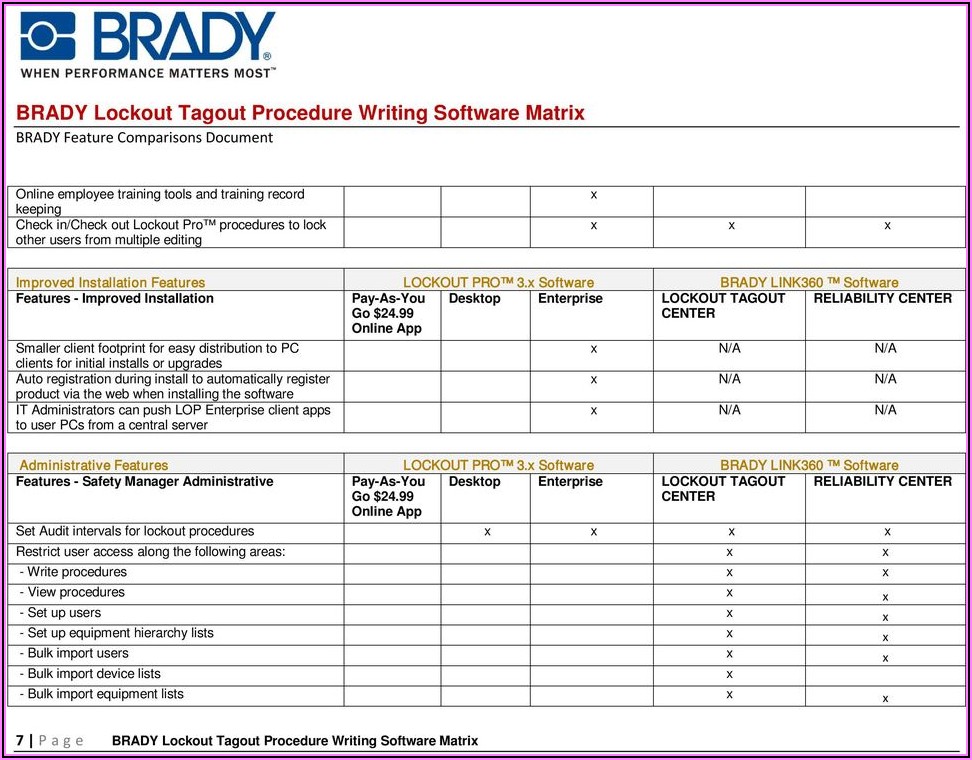
- Use digital checklists or LOTO management software for tracking
Limitation: Paper-based systems are prone to loss or forgery. Digital logs with timestamps and photos provide stronger compliance evidence.
Final Thoughts: Safety Isn’t Optional
A lockout and tagout procedure isn’t just about compliance—it’s about protecting people. The few extra minutes spent applying a lock and tag can prevent a lifetime of injury. Whether you’re a technician, supervisor, or safety officer, your role in enforcing LOTO is non-negotiable.
Implement clear procedures. Train rigorously. Audit regularly. And never let urgency override safety.
Start today: Pick one machine in your facility. Review its LOTO procedure. Walk through each step. If it’s unclear, incomplete, or outdated—fix it. Then move to the next. One machine at a time, you build a culture where safety is automatic.
Frequently Asked Questions
What is the main purpose of a lockout and tagout procedure? To ensure machines are completely de-energized and cannot be restarted during maintenance, preventing injuries from unexpected startup.
Who can remove a lockout device? Only the authorized employee who applied the lock may remove it, unless emergency removal procedures are followed with proper verification.
Can tagout be used instead of lockout? Yes, but only if a lock cannot be applied. Tagout provides less protection and requires additional safety measures.
How often should LOTO procedures be reviewed? At least annually, and whenever equipment or processes change.
What types of energy must be controlled under LOTO? Electrical, mechanical, hydraulic, pneumatic, chemical, thermal, and any other hazardous energy source.
Do all employees need LOTO training? Affected employees (operators) need basic awareness. Authorized employees (maintenance) require in-depth training.
What should a LOTO tag include? The worker’s name, date, reason for lockout, and contact information if possible.
FAQ
What should you look for in Lockout and Tagout Procedure: A Complete Safety Guide? Focus on relevance, practical value, and how well the solution matches real user intent.
Is Lockout and Tagout Procedure: A Complete Safety Guide suitable for beginners? That depends on the workflow, but a clear step-by-step approach usually makes it easier to start.
How do you compare options around Lockout and Tagout Procedure: A Complete Safety Guide? Compare features, trust signals, limitations, pricing, and ease of implementation.
What mistakes should you avoid? Avoid generic choices, weak validation, and decisions based only on marketing claims.
What is the next best step? Shortlist the most relevant options, validate them quickly, and refine from real-world results.