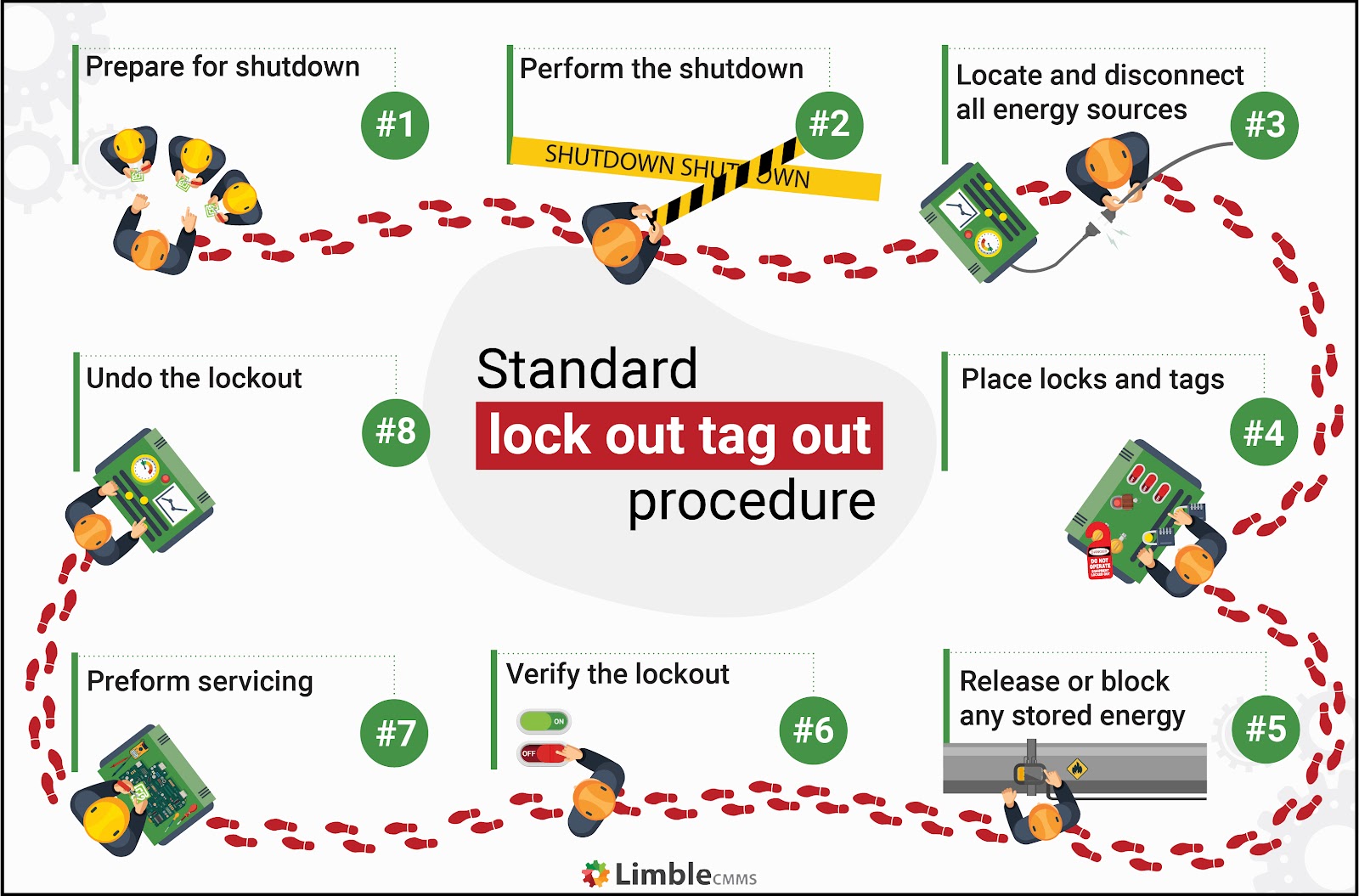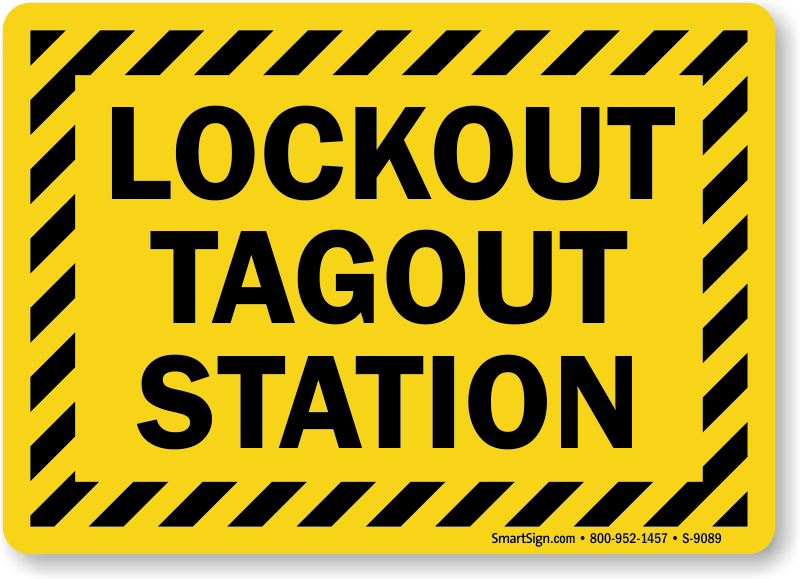
Safety in industrial environments isn’t just about equipment and procedures—it’s about visibility. When machinery requires maintenance, one misplaced switch or unlabeled energy source can lead to catastrophic injury. That’s where lockout tagout station signs come in. These aren’t decorative additions to a facility; they are critical communication tools that protect workers, enforce protocol, and satisfy regulatory requirements.
Despite their simplicity, LOTO station signs are often misunderstood, underutilized, or poorly implemented. Some facilities treat them as afterthoughts—generic labels taped near electrical panels. Others overload them with text, rendering them ineffective in high-stress moments. The difference between a compliant sign and an effective one lies in design, placement, and integration into a broader energy control program.
This guide breaks down the real-world role of lockout tagout station signs, showing how to select, deploy, and maintain them to maximize safety and compliance.
What Are Lockout Tagout Station Signs?
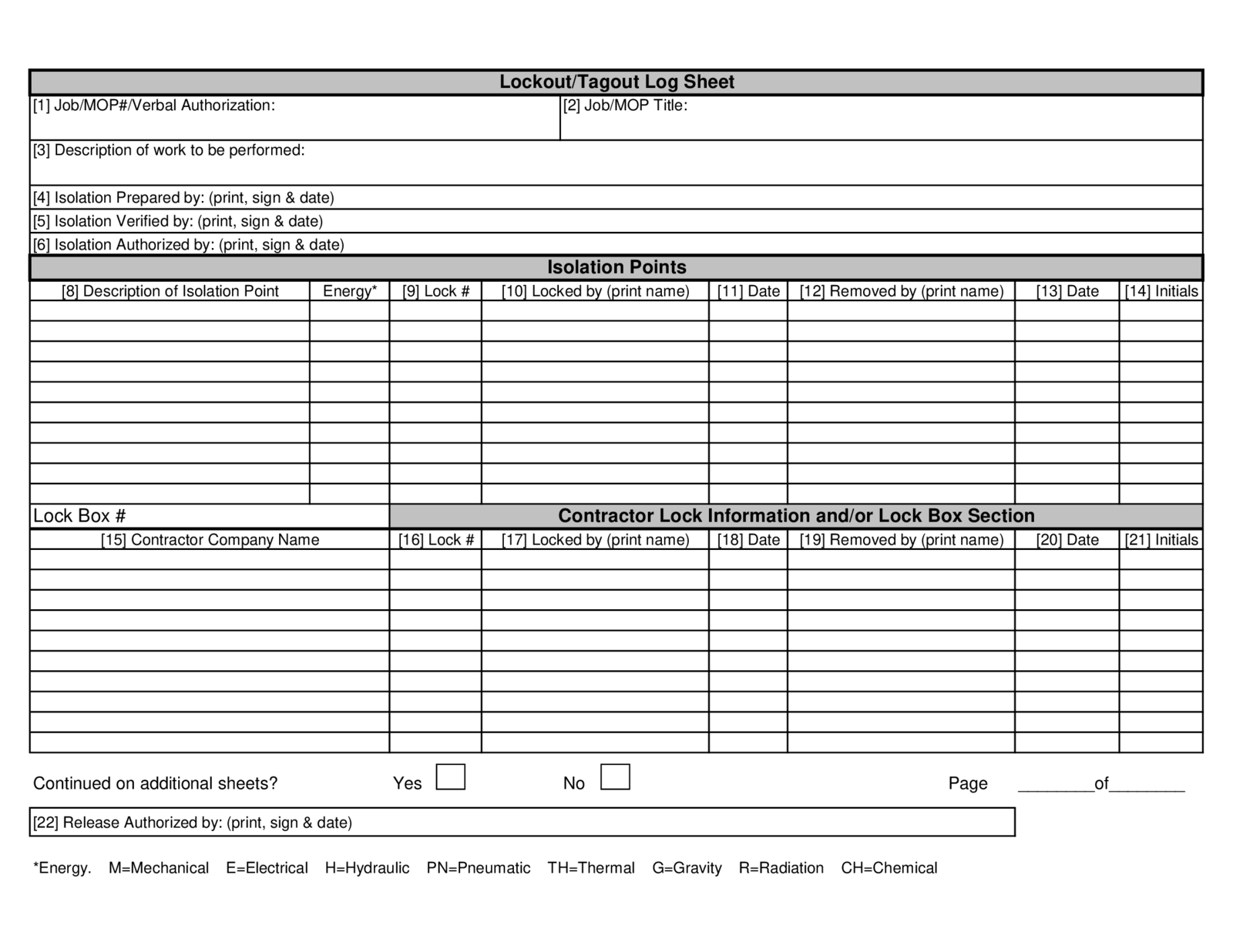
LOTO station signs are visual indicators placed at or near lockout stations—centralized locations where lockout devices, tags, and logs are stored. Their primary function is to direct authorized employees to the correct location for securing energy sources before servicing equipment.
These signs go beyond “Do Not Operate” warnings. They communicate:
- Where the lockout station is located
- Who is authorized to perform lockout procedures
- What steps to follow during shutdown
- Emergency contacts or escalation paths
Without these signs, workers may waste time searching for lockout kits or bypass procedures entirely due to confusion. In high-risk environments—such as chemical processing plants or automotive manufacturing lines—this delay or omission can be fatal.
A well-designed LOTO station sign reduces cognitive load during critical moments. It’s not just a reminder; it’s part of the safety workflow.
Why Visibility Equals Accountability
You can have the best lockout procedure in the industry, but if it’s not visible, it doesn’t exist.
Consider a real-world scenario: a maintenance technician needs to service a conveyor system. The lockout station is located 30 feet away, around a corner, behind a storage rack. There’s no sign. The technician, under time pressure, decides to lock out the machine locally using a personal lock—bypassing group procedures. Another worker, unaware of the maintenance, restarts the system. The result? Severe injury.
Now imagine the same scenario, but a bright red LOTO station sign with clear directional arrows points the technician to the central station. The sign includes a checklist: “1. Notify Operations. 2. Retrieve Lockout Kit. 3. Isolate Energy Sources.” The procedure is followed. The hazard is contained.
Visibility creates accountability. When signs are standardized, consistently placed, and easy to understand, they reinforce discipline. They also serve as constant reinforcement of safety culture—visible proof that the company takes energy control seriously.
Design Principles for Effective LOTO Station Signs
Not all signs are created equal. A poorly designed sign can confuse more than clarify. Follow these principles to ensure your LOTO station signs are effective:
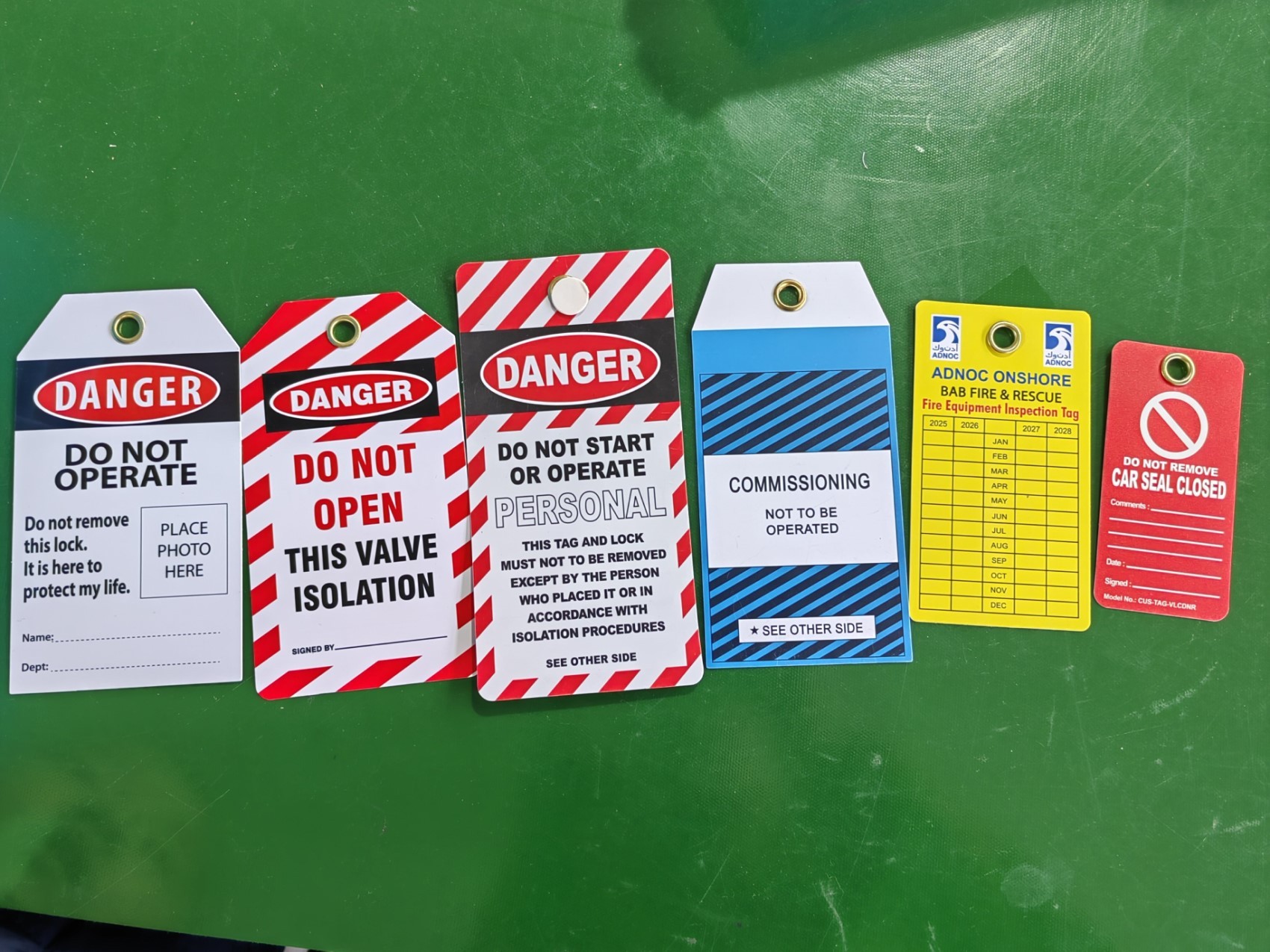
#### 1. Use Standardized Symbols and Colors OSHA and ANSI standards recommend specific colors and pictograms: - Red: Danger, stop, immediate hazard - Yellow: Caution, potential hazard - Blue: Mandatory actions (e.g., “Wear Lockout Device”) - Green: Safety information, emergency exits

Incorporate universal symbols like padlocks, lightning bolts (for electrical), or flame icons (for thermal energy) to transcend language barriers.
#### 2. Keep Text Minimal and Action-Oriented Avoid paragraphs. Use short phrases: - “LOCKOUT STATION – AUTHORIZED PERSONNEL ONLY” - “REPORT UNSECURED EQUIPMENT” - “SCAN QR CODE FOR PROCEDURE”
If space allows, include a quick-reference checklist, but limit it to three to five steps.
#### 3. Use Durable, Weather-Resistant Materials LOTO signs should withstand industrial conditions: - UV-resistant vinyl for outdoor or high-light areas - Self-adhesive or rivet-mount options for permanent placement - Anti-graffiti laminate in high-traffic zones
Flimsy paper signs degrade quickly and undermine credibility.
#### 4. Integrate with Digital Systems (Where Applicable) Modern facilities are incorporating QR codes into LOTO signs that link to digital lockout procedures, training videos, or real-time status dashboards. This bridges the gap between physical signage and digital compliance tracking.
Common Placement Mistakes (And How to Fix Them)
Even well-designed signs fail if placed incorrectly. Here are frequent missteps:
#### Mistake 1: Hiding Signs Behind Equipment Placing a sign behind a machine or in a cluttered electrical room defeats its purpose. ✅ Fix: Install signs at eye level, along primary pathways, with unobstructed sightlines.
#### Mistake 2: Using One Sign for Multiple Stations A single “Lockout Station” sign pointing to three different locations creates confusion. ✅ Fix: Use directional signage with arrows and zone identifiers: “Lockout Station – Zone B, North Wall.”
#### Mistake 3: Ignoring Multilingual Workforces Text-only signs in English won’t help Spanish, Tagalog, or Vietnamese-speaking workers. ✅ Fix: Use pictograms and offer multilingual versions side-by-side.
#### Mistake 4: Failing to Update Signs After Relocation If a lockout station moves, but the old sign remains, workers follow outdated information. ✅ Fix: Audit sign placement quarterly and update during facility changes.
Top 5 LOTO Station Sign Solutions for Industrial Use
Choosing the right product matters. Here are five proven options that balance durability, compliance, and usability:
| Product | Key Features | Best For |
|---|---|---|
| Seton LOTO Station Identification Sign | Pre-printed OSHA-compliant text, 10" x 7" aluminum, red/white design | Facilities needing standardized, ready-to-install signs |
| Brady BP3410-501 Lockout Station Sign | Customizable fields, durable polyester, includes PPE reminders | Sites requiring site-specific details or bilingual text |
| Grainger 3ZDY4 Lockout Station Decal | Self-adhesive vinyl, UV-resistant, includes QR code zone | High-moisture or outdoor environments |
| Justrite 22400 Lockout Station Sign Kit | Full kit: sign, logbook holder, tag dispenser | New installations or complete station overhauls |
| Master Lock 1960T LOTO Station Sign | Magnetic backing, modular design, accepts custom inserts | Facilities with rotating equipment or temporary setups |
Each option serves a different need. Choose based on environment, workforce size, and integration with existing safety systems.
How LOTO Signs Fit Into a Broader Energy Control Program
Signs alone don’t ensure safety. They are one component of a full lockout tagout program that includes:
- Written energy control procedures
- Employee training and certification
- Periodic audits and inspections
- Lockout device inventory management
LOTO station signs act as the “front door” to this system. They guide workers to the tools and information they need. Without them, even trained personnel may skip steps or delay lockout.

During OSHA inspections, auditors look for clear evidence of accessible lockout procedures. A well-placed, professional sign demonstrates due diligence. It shows that the employer has anticipated human behavior and engineered safeguards accordingly.
In one documented case, a facility avoided citations after an incident because investigators found that LOTO station signs were clearly visible, up to date, and integrated into training materials. The sign itself wasn’t the defense—the documented system around it was.
Real-World Use Cases: When Signs Prevented Disasters
Case 1: Chemical Plant, Texas A night-shift technician noticed a pump leaking. Before attempting repair, he followed the arrow on a LOTO station sign to retrieve a lockout kit. The sign reminded him to isolate not just electrical, but also hydraulic and chemical lines. A co-worker later admitted they had nearly restarted the pump, unaware of the maintenance—until they saw the lockout log posted at the station.
Case 2: Automotive Assembly Line, Michigan After a near-miss, the facility installed illuminated LOTO station signs with emergency contact numbers. During a weekend repair, a contractor used the sign to call the on-call supervisor when unsure about energy sources. The call prevented a potential arc flash incident.
These aren’t hypotheticals. They reflect how clear signage reduces ambiguity and encourages correct behavior—even under pressure.
Final Thoughts: Signs Are More Than Symbols
Lockout tagout station signs are not bureaucratic checkboxes. They are frontline defenses against preventable injuries. When designed well, placed strategically, and maintained consistently, they become silent enforcers of safety culture.
Don’t treat them as afterthoughts. Audit your current signage. Ask: - Can a new employee find the lockout station in under 30 seconds? - Does the sign tell them what to do, not just what not to do? - Is it visible in low light or noisy conditions?
If the answer isn’t a clear yes, it’s time to upgrade.
Start by mapping your lockout stations, standardizing sign design, and training teams to use them as part of routine workflow. Make them unmissable—because in safety, invisibility kills.
FAQ
What is the OSHA requirement for lockout tagout station signs? OSHA doesn’t mandate specific signage but requires that energy control procedures be “readily available” to employees. Signs help meet this requirement by directing workers to lockout points and procedures.
Can digital signs replace physical LOTO station signs? Digital displays can supplement but not fully replace physical signs. OSHA emphasizes accessibility and reliability; physical signs remain visible during power outages or system failures.
Should LOTO station signs include emergency contacts? Yes. Including a 24/7 contact number improves response during after-hours maintenance and reinforces accountability.
How often should LOTO signs be inspected? Inspect quarterly or after any facility modification. Replace signs that are faded, damaged, or outdated.
Can one sign serve multiple machines? Only if all machines share the same lockout station. Each station should have its own clearly labeled sign with precise instructions.
Do LOTO signs need to be bilingual? If your workforce uses multiple languages, yes. Use pictograms and translated text to ensure comprehension.
Where should LOTO station signs be mounted? At eye level, near entrances to mechanical rooms, along primary pathways, and adjacent to control panels or energy isolation points.
FAQ
What should you look for in Lockout Tagout Station Signs: Why They Matter and How to Use Them? Focus on relevance, practical value, and how well the solution matches real user intent.
Is Lockout Tagout Station Signs: Why
They Matter and How to Use Them suitable for beginners? That depends on the workflow, but a clear step-by-step approach usually makes it easier to start.
How do you compare options around Lockout Tagout Station Signs: Why They Matter and How to Use Them? Compare features, trust signals, limitations, pricing, and ease of implementation.
What mistakes should you avoid? Avoid generic choices, weak validation, and decisions based only on marketing claims.
What is the next best step? Shortlist the most relevant options, validate them quickly, and refine from real-world results.