Commercial shipping in the Persian Gulf is at a standstill. A tanker seized near Bandar Abbas. Patrol boats shadowing foreign vessels. Insurance premiums spiking overnight. In this tense climate, Iran has extended a calculated diplomatic overture to the United States: help de-escalate maritime hostilities, reopen the Strait of Hormuz to unrestricted flow, and in return, Tehran will formally postpone its nuclear negotiations—buying time, but not surrendering leverage.
This isn’t a peace offering. It’s a tactical recalibration.
For Washington, the proposal presents a paradox. Immediate pressure relief on global oil markets against the risk of freezing progress on nuclear constraints. For Tehran, it’s a way to neutralize mounting economic strain without formally capitulating to Western demands. The offer underscores a shift—from direct confrontation to transactional diplomacy, where every concession has a price and every delay is a strategy.
The Strategic Weight of the Strait of Hormuz
The Strait of Hormuz is more than a waterway. It’s the jugular of global energy supply.
At its narrowest, just 21 miles wide, it funnels about 21 million barrels of oil per day—roughly one-fifth of the world’s traded oil. Closures or disruptions here don’t just affect prices; they trigger supply chain shocks from Rotterdam to Singapore.
Iran knows this. And it has shown willingness to weaponize this vulnerability.
In recent weeks, Iranian Revolutionary Guard Corps (IRGC) naval units have shadowed commercial vessels, detained ships under dubious legal pretexts, and interrupted shipping lanes using fast-attack craft. These aren’t random acts. They’re calibrated pressure points aimed at forcing diplomatic movement.
By offering to reopen the strait, Iran isn’t retreating—it’s bargaining. The message is clear: We can restore order, but only if the West acknowledges our terms.
Why Postpone Nuclear Talks?
On the surface, delaying nuclear negotiations seems counterproductive. Years of on-and-off diplomacy have barely contained Iran’s uranium enrichment. The 2015 JCPOA is functionally dead. The International Atomic Energy Agency (IAEA) reports Iran now enriches uranium up to 60%—a short leap from weapons-grade.
So why would Tehran want talks postponed?
Because timing is leverage.
Iran’s nuclear program is advancing rapidly. Centrifuges are spinning. Stockpiles are growing. By stalling negotiations, Tehran gains space to strengthen its position before agreeing to any new limits. It’s not walking away—it’s waiting until its breakout capability is undeniable.
Additionally, domestic politics in Iran play a role. Hardliners in the Iranian regime oppose direct talks with the US. A formal “postponement” allows President Pezeshkian’s administration to claim it’s resisting American pressure while quietly keeping lines open through backchannels.
The delay isn’t surrender. It’s a pause to reposition.
What the US Stands to Gain — and Lose For the Biden administration, the Iranian offer presents a high-stakes calculation.
Potential gains:
- Immediate relief in global energy markets. Reopening the strait would stabilize oil prices, which have surged past $90 a barrel amid fears of supply disruption.
- Avoiding military escalation. A direct naval clash in the Gulf could spiral fast. Accepting the deal reduces the risk of accidental war.
- Diplomatic breathing room. With other global crises demanding attention—from Ukraine to Gaza—the US could use a temporary freeze in Iran tensions.
But the risks are equally real:

- Legitimizing coercion. If Iran shuts down shipping and then gets concessions for reopening it, it sets a dangerous precedent. Other actors may emulate the tactic.
- Nuclear progress unchecked. Every day without negotiations is a day Iran moves closer to a functional weapon. Intelligence estimates suggest Iran could produce enough fissile material for a bomb in weeks, if it chooses.
- Alienating allies. Gulf states like Saudi Arabia and the UAE see any pause in nuclear talks as a green light for Iranian aggression. Israel, in particular, has warned it won’t tolerate a nuclear-armed Iran.
The US is caught between managing immediate threats and preventing long-term strategic failure.
Precedents: Has This Tactic Worked Before?
Iran isn’t inventing a new playbook. It’s refining an old one.
In 2021, after seizing a South Korean tanker, Iran released it only after Seoul unfroze $7 billion in oil revenues. The move was framed as a financial dispute, but the timing—amid stalled Vienna talks—was unmistakable. Concession granted, ship released.
Similarly, in 2019, Iran captured a British oil tanker in retaliation for the UK assisting in the seizure of an Iranian vessel near Gibraltar. The tit-for-tat ended only after behind-the-scenes negotiations and mutual de-escalation.
These episodes follow a pattern:
- Raise the stakes (seize a ship, threaten the strait)
- Wait for economic or political pain to mount
- Offer a solution—for a price
The current proposal fits this model perfectly. But this time, the scope is broader. It’s not about one tanker. It’s about the entire flow of Gulf oil. And it’s directly tied to the nuclear file.
The precedent suggests Iran expects the US to respond—because it always has.
The Role of Regional Powers The Gulf isn’t a two-player game.
Saudi Arabia, UAE, and Oman have a direct interest in keeping the strait open. But they also fear Iranian dominance.
Oman, in particular, has played mediator in past crises. Its geographic position—controlling one side of the strait—gives it unique influence. Muscat has quietly hosted backchannel talks between Tehran and Washington for years.
Meanwhile, Saudi Arabia is walking a tightrope. It wants stability but doesn’t trust Iranian promises. Riyadh has increased naval patrols and worked with the US Fifth Fleet to reroute shipping, but it won’t act alone.
China and Russia, too, are watching closely.
Beijing depends on Gulf oil and has positioned itself as a neutral broker—having helped broker the 2023 Saudi-Iran rapprochement. It may encourage the deal to protect its energy interests.
Moscow, on the other hand, benefits from Western distractions. A frozen nuclear file and Gulf instability divert US attention from Ukraine. Russia has little incentive to push Iran toward compromise.
What a Deal Would Actually Look Like
This isn’t a formal treaty. It’s an understanding—likely unwritten, possibly delivered through intermediaries.
Elements of a potential agreement could include:
- Iran halts all maritime interceptions and allows free passage through the strait
- The US pauses new sanctions and allows limited oil sales via third countries (e.g., China, Turkey)
- Nuclear talks are formally “paused,” not canceled, with a vague timeline for resumption
- Backchannel communications remain active, possibly through Qatar or Oman
There would be no IAEA inspections. No limits on enrichment. No dismantling of facilities.
In essence, it’s a time-buying arrangement.
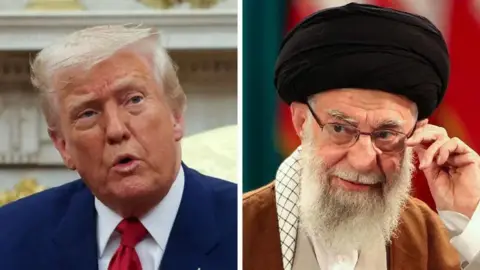
But even informal deals carry weight. Once the strait reopens and oil flows, pressure on the US to “do something” evaporates. And once Iran gains more nuclear capability, its bargaining power increases.
Why This Isn’t a Long-Term Solution Transactional diplomacy has limits.
Yes, the ships will sail. Oil prices may drop. Headlines will calm.
But the core issues remain:
- Iran’s regional ambitions
- Its ballistic missile program
- Support for proxy groups (Hezbollah, Houthis, Shia militias in Iraq)
- The unresolved question of nuclear weapons capability
A deal that postpones nuclear talks without addressing these won’t bring stability. It will only delay the inevitable.
History shows that pauses in negotiations often lead to renewed crises—usually at worse moments. The 2018 US withdrawal from the JCPOA didn’t end the program. It accelerated it.
Without a framework for sustained engagement, this offer risks becoming just another checkpoint in a cycle of crisis and temporary relief.
The Path Forward: Managing Risk Without Rewarding Coercion
The US can’t ignore the offer. But it shouldn’t accept it on Iran’s terms.
A smarter approach would be to:
- Demand verifiable actions first—full reopening of the strait, release of detained vessels—before any concessions
- Link any sanctions relief to narrow, monitored outcomes (e.g., allowing medicine or food imports, not oil)
- Publicly commit to resuming nuclear talks within 60 days, making the delay temporary and conditional
- Strengthen naval coordination with Gulf allies to deter future coercion
- Use international bodies like the IAEA to document Iran’s nuclear activities during the pause
The goal isn’t to “win” a single round. It’s to prevent Iran from learning that brinkmanship pays.
Conclusion: A Temporary Truce, Not Peace
Iran’s offer to reopen the Strait of Hormuz in exchange for delayed nuclear talks is not a breakthrough. It’s a maneuver.
It reflects a regime that understands how to exploit global dependencies and diplomatic fatigue. It plays on the West’s preference for short-term stability over long-term strategy.
The US must respond—but not reflexively. Any acceptance of the deal must come with conditions, verification, and a clear timeline. Otherwise, the pause becomes permanent, the strait remains a bargaining chip, and Iran’s nuclear clock ticks unchecked.
Diplomacy isn’t about avoiding tension. It’s about shaping it.
Now is the time to set terms—not accept them.
FAQ
What is the Strait of Hormuz, and why is it important? The Strait of Hormuz is a narrow waterway between Iran and Oman, through which about 21 million barrels of oil pass daily. It’s critical for global energy supply.
Why would Iran delay nuclear talks? Delaying talks gives Iran time to advance its nuclear program and strengthen its position before agreeing to any new limits.
Does reopening the strait mean Iran is backing down? Not necessarily. It’s a tactical move to gain concessions while maintaining pressure on other fronts.
Can the US accept this deal without consequences? Accepting without conditions risks encouraging future coercion. Any deal must include verification and time limits.
What happens to Iran’s nuclear program during the delay? It likely continues advancing. Iran currently enriches uranium to 60%, close to weapons-grade levels.
Who benefits from this kind of diplomatic pause? Iran gains time and leverage. The US gets short-term stability but risks long-term escalation.
How have similar deals worked in the past? Past incidents—like the 2021 tanker release—show Iran uses shipping as leverage and expects concessions in return.
FAQ
What should you look for in Iran Offers US Deal to Reopen Strait, Delay Nuclear Talks? Focus on relevance, practical value, and how well the solution matches real user intent.
Is Iran Offers US Deal to Reopen Strait, Delay Nuclear Talks suitable for beginners? That depends on the workflow, but a clear step-by-step approach usually makes it easier to start.
How do you compare options around Iran Offers US Deal to Reopen Strait, Delay Nuclear Talks? Compare features, trust signals, limitations, pricing, and ease of implementation.
What mistakes should you avoid? Avoid generic choices, weak validation, and decisions based only on marketing claims.
What is the next best step? Shortlist the most relevant options, validate them quickly, and refine from real-world results.