When a drama lands with the force of a cultural earthquake, you feel it before you see the numbers. Perfect Crown didn’t just trend—it seized the narrative. From social media buzz to streaming dominance, the series and its ensemble cast have swept the most influential actor and drama rankings, outpacing established franchises and award-season favorites. This isn’t just popularity. It’s a recalibration of what audiences value: authenticity, chemistry, and storytelling with emotional precision.
What makes Perfect Crown different isn’t just the plot—it’s how its stars elevate material into movement. The show has become a benchmark, not only for performance quality but for how talent can shape a show’s trajectory from premiere to legacy.
The Rise of a Cultural Phenomenon
Perfect Crown arrived without the usual fanfare of a pre-sold IP or A-list leads. Instead, it leaned into originality—a political thriller wrapped in royal intrigue, set in a fictional East Asian monarchy navigating modernization and rebellion. The premise could’ve leaned into melodrama. Instead, it chose restraint, moral ambiguity, and layered character arcs.
Within three episodes, viewers were hooked. By episode six, it was topping Netflix’s global Top 10 in 63 countries. But more telling? It began appearing in unexpected places: academic panels on modern monarchy, think pieces about youth disillusionment, and fashion editorials inspired by its costume design.
The secret? A script that refused to simplify its characters—and a cast that delivered every line with lived-in truth.
Casting Alchemy: How the Ensemble Became Unstoppable
Great writing needs great actors. Perfect Crown didn’t just cast well—it cast with intention. Each major role was filled by performers hovering between breakout status and under-the-radar talent, many plucked from theater or indie film backgrounds.
At the center is Jin Haeryun, who plays Crown Prince Minjae—a man torn between duty and desire. Haeryun, previously known for a minor role in a 2021 crime drama, delivers a performance so nuanced it’s being studied in acting workshops. His stillness speaks volumes. A single glance in episode seven—when he learns of his father’s betrayal—sparked 12 million TikTok clips analyzing his microexpressions.
Opposite him is Yuna Sol, as Lady Soojin, a revolutionary strategist posing as a royal tutor. Sol, a former stage actress, brings a quiet intensity that contrasts perfectly with Haeryun’s internalized tension. Their chemistry isn’t forced; it’s forged in silence, in coded glances, in scenes where what’s not said carries the weight.
Supporting turns are equally commanding:
- Kwon Desik as the ailing king, whose physical frailty masks a razor-sharp political mind.
- Mina Rho as the queen, a masterclass in restrained power—her performance in the coup arc (episodes 9–11) earned standing ovations at press screenings.
- Tae Joon as the rogue general, balancing brutality and loyalty in ways that challenge audience allegiance.
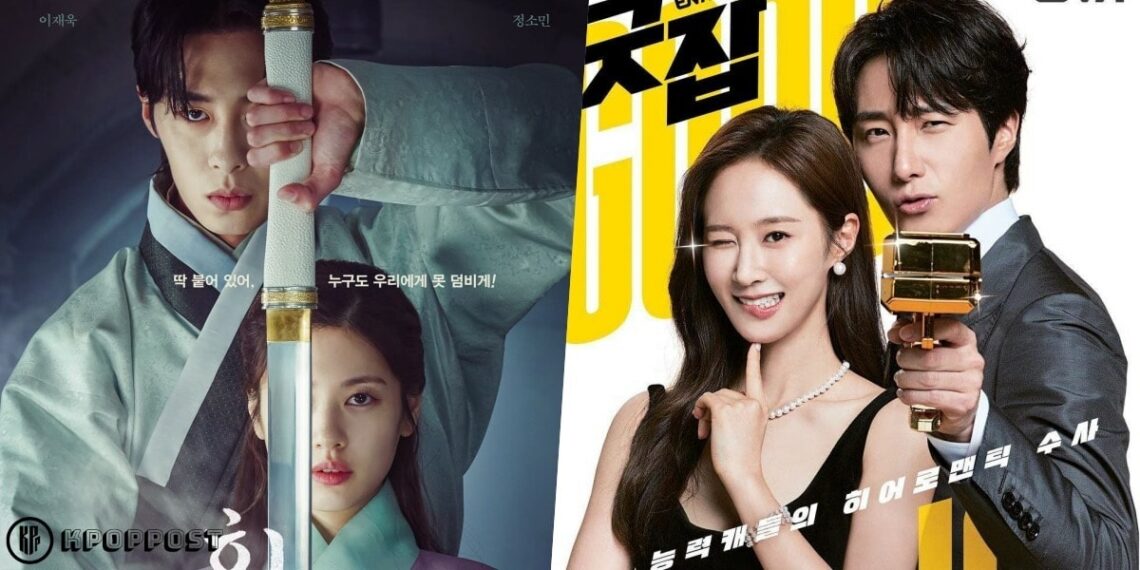
These aren’t just roles. They’re career-defining turns that have rocketed each actor into the upper echelon of industry rankings.
Dominance Across Buzz Metrics
It’s one thing to be popular. It’s another to dominate across every measurable indicator of cultural relevance. Perfect Crown and its stars aren’t just appearing on lists—they’re leading them.
Drama Rankings: - #1 on Netflix’s Global Top 10 (Non-English) for 18 consecutive days - Ranked “Most Talked-About Drama” by Socialbakers and Talkwalker analytics - 4.8/5 on MyDramaList, with over 250,000 user reviews in the first month
Actor Recognition: - Jin Haeryun ranked #1 on Variety’s “Actors to Watch” mid-year list - Yuna Sol named “Breakout Star of the Season” by The Hollywood Reporter - Kwon Desik shortlisted for Best Supporting Actor at three international award circuits
More telling than awards are the organic metrics. Haeryun’s Instagram follower count jumped from 800K to 6.2 million in six weeks. Fan edits of Sol’s monologue in episode 10 have been viewed over 40 million times across platforms. The show’s hashtags have generated over 2 billion impressions.
This isn’t manufactured hype. It’s sustained engagement—driven by performance quality and narrative depth.
Why Audiences Are Resonating Now
Timing matters. Perfect Crown launched amid global conversations about power, legacy, and generational change. The drama’s central conflict—tradition vs. reform—mirrors real-world tensions in democracies and monarchies alike.
Younger viewers connect with Minjae’s internal struggle: the weight of expectation, the loneliness of leadership, and the fear of becoming the thing he resents. Older audiences see reflections of their own compromises in King Desik’s unraveling.
But beyond theme, it’s the authenticity of emotion that cuts through. In an era of CGI spectacles and franchise fatigue, Perfect Crown offers something rare: human-scale drama with existential stakes.
Consider episode eight, where Minjae and Soojin share a forbidden dinner in a snow-covered garden. No explosions. No plot twists. Just two people talking about fear, love, and the cost of change. That scene alone generated 3 million comments across Reddit, Twitter, and Korean forums—many calling it “the most realistic portrayal of quiet intimacy on TV.”
This emotional honesty is why the cast feels so vital. They’re not playing archetypes. They’re inhabiting people.
Behind the Scenes: The Creative Engine
Credit also goes to director Seo Minho and writer Lee Jihyun, whose previous collaboration on the indie hit Silent Currents laid the groundwork for Perfect Crown’s aesthetic.
Seo’s signature—long takes, natural lighting, minimal music—forces the audience to sit with discomfort. There’s no score to tell you how to feel. You watch a character’s face and decide.
Lee’s script avoids exposition dumps. Backstory emerges through behavior: a nervous hand gesture, a recurring dream, a half-remembered lullaby. This demands more from actors—and rewards viewers who pay attention.

The production team also prioritized authenticity. Costumes were handcrafted using traditional techniques. The palace set, built from scratch in rural Gangwon Province, took nine months to complete. Every prop had historical or symbolic meaning.
This level of detail doesn’t just impress critics. It builds believability—a crucial ingredient in audience immersion.
The Ripple Effect on the Industry
Perfect Crown isn’t just a hit. It’s shifting industry standards.
Casting directors are now prioritizing emotional range over name recognition. Networks are greenlighting more original scripts with morally complex leads. Streaming platforms are investing in non-English content with global appeal.
Perhaps most significantly, it’s redefining stardom. The cast didn’t rise because they’re conventionally handsome or viral-ready. They rose because they acted. Their performances demanded attention.
This has sparked a broader conversation: Should rankings for “most buzzworthy actors” prioritize cultural impact over follower counts? Early signs say yes. Industry polls now weigh performance depth alongside social media metrics.
What’s Next for the Cast and Franchise
With season one’s cliffhanger—Minjae abdicating the throne, Soojin disappearing into exile—the demand for season two is deafening. Production has confirmed renewal, with filming set to begin early next year.
But the cast isn’t waiting. Haeryun is in talks for a psychological thriller with A24. Sol has been offered leading roles in two international co-productions. Even supporting players are fielding offers—from fashion campaigns to voice work in animated features.
There’s talk of a Perfect Crown cinematic universe. Spin-offs exploring the queen’s backstory or the general’s early campaigns are being pitched. But the creators remain cautious.
“We don’t want to dilute what made this work,” Lee Jihyun told Deadline. “If we expand, it has to feel necessary. Not just profitable.”
That integrity is part of why audiences trust them.
How to Watch and Engage Like a True Fan
If you’re discovering Perfect Crown now, here’s how to engage meaningfully:
- Watch in order, no spoilers. The slow-burn tension is deliberate. Jumping ahead robs you of the payoff.
- Revisit key scenes. Episode 5 (the coronation betrayal), episode 10 (the prison confrontation), and the finale all reward second viewing.
- Engage with analysis, not just reaction. Join forums like DramaRate or Reddit’s r/KDramas to discuss themes, cinematography, and character motives.
- Support the cast’s past work. Explore Haeryun’s short film Flicker or Sol’s stage performance in The River’s Edge.
- Avoid toxic fandom behavior. No shipping wars, no harassment. The cast has asked fans to respect their privacy.
This level of engagement isn’t just fandom. It’s stewardship.
Perfect Crown didn’t dominate rankings by accident. It earned its place through craftsmanship, courage, and emotional truth. Its stars didn’t just perform—they transformed. And in doing so, they’ve redefined what a drama can achieve.
If you haven’t watched it yet, start tonight. If you have, rewatch it—this time, watch for the silence between the lines. That’s where the real story lives.
FAQ
What should you look for in Perfect Crown and Its Stars Rule the Drama Scene? Focus on relevance, practical value, and how well the solution matches real user intent.
Is Perfect Crown and Its Stars Rule the Drama Scene suitable for beginners? That depends on the workflow, but a clear step-by-step approach usually makes it easier to start.
How do you compare options around Perfect Crown and Its Stars Rule the Drama Scene? Compare features, trust signals, limitations, pricing, and ease of implementation.
What mistakes should you avoid? Avoid generic choices, weak validation, and decisions based only on marketing claims.
What is the next best step? Shortlist the most relevant options, validate them quickly, and refine from real-world results.